Black hair, in all its beautiful textures—from coily and kinky to wavy and curly—is often seen as challenging to straighten, prone to frizz, and susceptible to heat damage. Yet, with the right hair straightener and proper technique, achieving sleek, smooth styles without compromising hair health is entirely possible. This comprehensive guide will navigate you through selecting the ideal tool, understanding plate materials, and mastering safe straightening practices tailored specifically for black hair, ensuring your locks remain vibrant and strong.
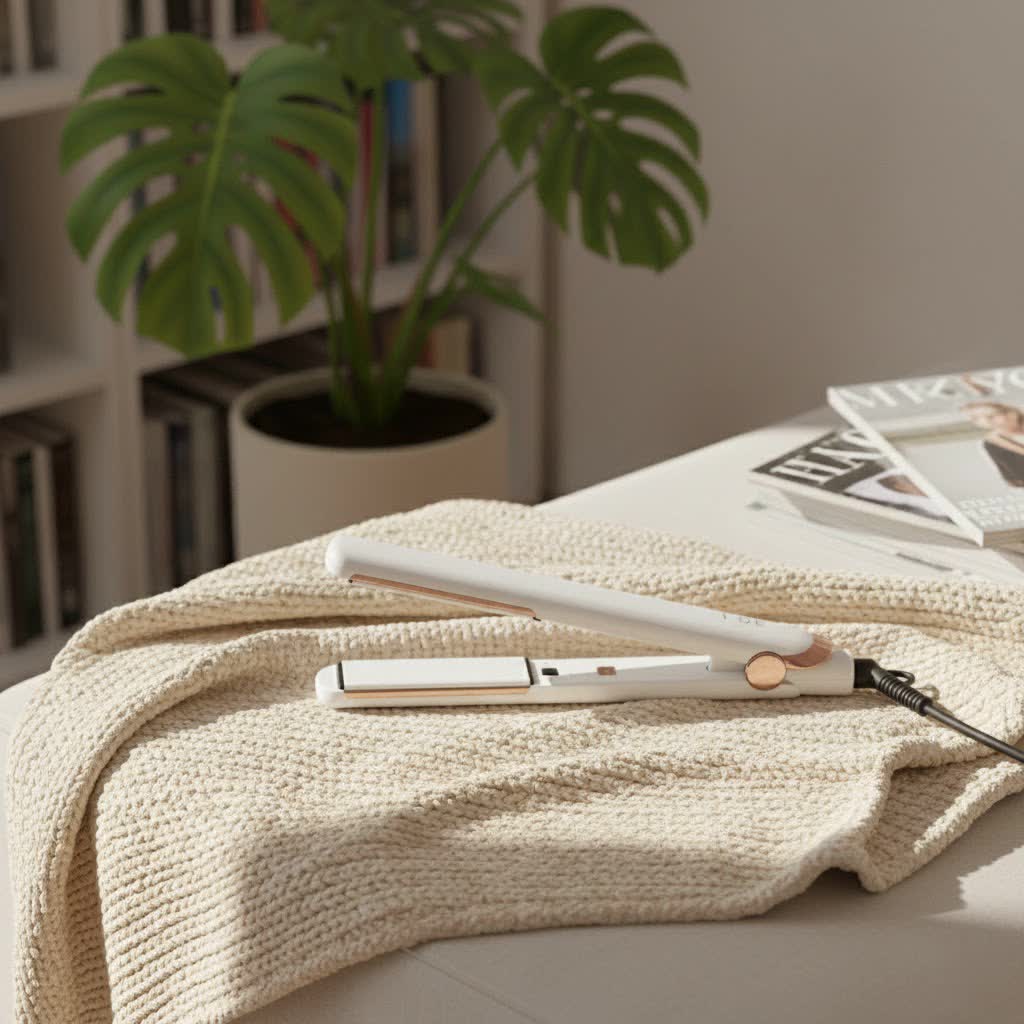
Hair Straighteners: Overview and Benefits for Black Hair
Hair straighteners, commonly known as flat irons, have revolutionized hair styling, offering the ability to transform textured hair into smooth, straight styles with impressive speed. The journey of these devices, from simple heated metal plates to advanced ceramic, tourmaline, and titanium technologies, reflects a continuous effort to provide safer and more effective styling. For black hair, specifically, the benefits extend beyond mere aesthetics. A quality hair straightener can quickly manage kinks, significantly reduce frizz, and offer remarkable versatility in styling, allowing for a diverse range of looks from poker straight to bouncy curls. The ability to temporarily alter hair texture opens up a world of creative expression while maintaining the integrity of the hair.
Choosing the Right Hair Straightener for Your Black Hair Type
Selecting the perfect hair straightener hinges on understanding your specific hair type and its unique needs. Black hair textures vary widely, and what works for fine, delicate strands may not be suitable for thick, coarse coils. Tailoring your choice ensures both effective styling and crucial heat protection.
For Fine or Damaged Black Hair
If your black hair is fine, chemically treated, or prone to damage, gentleness is paramount. You need a straightener that offers even, controlled heat distribution to minimize stress. Look for features like precise temperature adjustments and plates known for their smooth glide.
- Essential Features: Adjustable low-temperature settings, smooth-gliding plates, and even heat distribution.
- Suitable Plate Materials: Ceramic and tourmaline-infused ceramic plates are excellent choices. Ceramic heats slowly and evenly, reducing the risk of hot spots, while tourmaline provides an extra layer of protection by emitting negative ions that seal the cuticle and enhance shine.
|
Our Picks for the Best Hair Straightener in 2026
As an Amazon Associate I earn from qualifying purchases.
|
||
| Num | Product | Action |
|---|---|---|
| 1 | TYMO Flat Iron Hair Straightener Brush 2 in 1, 200M Ions Hair Straighteners for Women, Ceramic Dual Voltage Straightening Hot Comb for Anti-Frizz Straights, Waves, Curls, 3X Less Heat Damage, Black |

|
| 2 | Remington Shine Therapy 1 inch Hair Straightener Iron, Flat Iron Infused with Argan Oil & Keratin, Professional Ceramic Flat Iron for Less Frizz, Shines and Smooth, Styling Tools |
|
| 3 | Remington 1" Flat Iron, Hair Straightener with Anti-Static Technology, Rapid 30-Second Heat-Up, 60-Minute Auto Shut-Off, 30% Longer Ceramic Floating Plates, and Titanium-Ceramic Coating |
|
| 4 | Hair Straightener 1 Inch Flat Iron and Curler 2 in 1 Titanium Ceramic Ionic Dual Voltage Straightener with Heat-Resistant Silicone, for Less Frizz, Shinier & Smoother |
|
| 5 | Hair Straightener Brush, TYMO Ring Hair Straightener Comb Straightening Brush for Women with 5 Temps 20s Fast Heating & Dual Voltage, Black |
|
| 6 | Hair Straightener Brush, TYMO Ring Hair Straightener Comb Straightening Brush for Women with 5 Temps 20s Fast Heating & Dual Voltage, Gold |
|
| 7 | Remington Shine Therapy 2 inch Hair Straightener, Flat Iron Infused with Argan Oil & Keratin, Professional Ceramic Flat Iron for Less Frizz, Shiny & Smooth Hot Styling Tools |
|
| 8 | Speedy Corded Precision Hair Straightener Brush, GET Sleek Hair Literally in Minutes, LED Screen Display, Up to 430°F, Remambers Your Favorite Temp., Styled with Curved Root for Your Scalp Comfort. |
|
| 9 | Cordless Hair Curling Iron Brush Rechargeable Battery-Powered, 3-in-1 Portable Hot Straightener Curling Comb 3 Temperature Settings with LCD Display |
|
| 10 | TYMO Hair Straightener Brush - Upgraded Ionic Compact Straightening Brush for Women with Wave-Design Bristles, Fast, Smooth Styling, Lightweight Hot Comb & Travel Flat Iron, 1 Billion Ions, Black |
|
For Thick, Coarse, or Natural Black Hair
For those with robust, dense, or tightly coiled natural black hair, a straightener capable of reaching and maintaining higher, consistent temperatures is often necessary to achieve desired results efficiently. Wider plates can also significantly reduce styling time.
- Essential Features: High, consistent heat output, wider plates (1.25 to 2 inches), and robust construction.
- Suitable Plate Materials: Titanium plates are highly recommended as they heat up rapidly and maintain intense, even heat, making them incredibly effective for tackling stubborn textures. Professional-grade ceramic or tourmaline-infused straighteners with powerful heating elements can also be effective.
For Relaxed or Chemically Treated Black Hair
Relaxed or chemically treated black hair requires careful handling as it can be more fragile than natural hair. The goal is to achieve sleekness without causing further dryness or breakage.
- Essential Features: Gentle heat, ionic technology for moisture retention, and plates that prevent snagging.
- Suitable Plate Materials: Tourmaline-coated plates are ideal for relaxed hair as they emit negative ions to seal in moisture and protect against damage. Ceramic plates are also a safe bet due to their gentle, even heat.
Mini, Travel, or Cordless Hair Straighteners
While full-sized straighteners offer optimal performance for most black hair types, mini or travel-sized options can be convenient for touch-ups or on-the-go styling.
- Advantages: Compact, lightweight, and often dual-voltage for international travel. Some mini stylers, like the ghd Mini Styler, have narrow plates (0.5 inches) that can get very close to the roots, which is beneficial for smoothing tightly coiled hair.
- Considerations: Often have fixed or fewer temperature settings, and smaller plates can mean longer styling times for a full head of thick hair. Prioritize models that still offer quality plate materials and effective heat delivery.
Plate Materials: Ceramic vs. Tourmaline vs. Titanium for Black Hair
The material of your straightener’s plates is a critical factor influencing performance and hair health. Each material interacts with heat and hair differently, making it vital to choose wisely based on your hair’s unique characteristics.
Ceramic Plates
Ceramic is a widely popular material for hair straightener plates due to its ability to distribute heat very evenly across the surface. This gentle, consistent heat helps minimize damage by preventing hot spots that can scorch hair.
- Pros:
- Even Heat Distribution: Heats slowly from the inside out, providing uniform temperature.
- Gentle on Hair: Less likely to burn hair, making it ideal for fine, thin, or damaged strands.
- Smooth Glide: Reduces pulling and tugging, decreasing breakage.
- Versatile: Good for those who switch between straight and curly styles.
- Cons:
- Slower Heating: May take longer to heat up compared to titanium.
- Less Intense Heat: Might require more passes or higher settings for very thick or coarse black hair to achieve desired straightness, potentially increasing exposure to heat.
- Coating Wear: Cheaper ceramic-coated irons can chip over time, exposing hair to harsh metal.
Tourmaline Plates
Tourmaline is a crystalline mineral often crushed and infused into ceramic or titanium plates. Its key benefit lies in its exceptional ability to produce negative ions when heated, significantly reducing frizz and enhancing shine.
- Pros:
- Frizz Control & Shine: Emits up to six times more negative ions than ceramic, neutralizing positive ions in dry hair to smooth the cuticle.
- Moisture Retention: Helps seal in moisture, leaving hair looking healthier and feeling softer.
- Lower Heat Effectiveness: Can achieve sleek results at lower temperatures, reducing potential heat damage.
- Ideal for Frizzy/Wavy Hair: Excellent for taming flyaways and creating a glossy finish.
- Cons:
- Often a Coating: Pure tourmaline plates are rare; it’s usually a coating on ceramic, which can wear down.
- Price: Can be more expensive than basic ceramic.
Titanium Plates
Titanium is a lightweight metal known for its strength, durability, and rapid heat transfer. It heats up almost instantly and maintains a consistent, high temperature, making it a favorite among professional stylists and those with very thick or coarse hair.
- Pros:
- Fastest Heating: Heats up quickly and maintains a very consistent temperature.
- High Heat Capability: Delivers intense heat, effective for straightening thick, coarse, or hard-to-style black hair efficiently with fewer passes.
- Durability: Highly resistant to corrosion and wear, suitable for heavy salon use.
- Lightweight: Easier to maneuver, especially during longer styling sessions.
- Cons:
- Can Be Harsh: The intense heat can be more damaging to fine, thin, or already compromised hair if not used carefully.
- Expert Use Recommended: Requires a steady hand and understanding of heat styling to avoid damage.
- Higher Cost: Generally the most expensive option.
> “If your hair is kinkier or harder to straighten, titanium plates work really well.” – Kim Kimble, Celebrity Hairstylist
Key Features to Look For in a Hair Straightener for Black Hair
Beyond plate material, several other features can greatly influence your straightening experience and the health of your black hair.
Temperature Control
Adjustable temperature settings are non-negotiable for black hair. This allows you to customize the heat to your specific hair texture and condition, preventing unnecessary damage. Fine or damaged hair will require lower temperatures, while thicker, coarser hair may need slightly higher settings. Expert Jamila Powell advises, “You never want to go over 400 degrees for the blow dryer or the flat iron… and for natural hair, the lower the heat, the better.” However, for very thick hair, celebrity hairstylist Kim Kimble suggests that going up to 450 degrees may be acceptable, but always with caution.
Plate Width and Design
The width and design of the plates impact how efficiently you can straighten your hair.
- Wider Plates (1.25 to 2 inches): Excellent for quickly straightening large sections of long, thick black hair.
- Narrower Plates (1 inch or less): Ideal for smaller sections, getting closer to the roots, and styling bangs or baby hairs.
- Floating Plates: These plates pivot slightly, ensuring even pressure on the hair and preventing snagging or pulling, which is crucial for delicate black hair.
Ionic Technology
Ionic technology, often found in tourmaline and some ceramic irons, emits negative ions that neutralize positive ions in dry, frizzy hair. This helps to smooth the hair cuticle, lock in moisture, reduce static, and impart a noticeable shine.
> “Ionic hair straighteners are designed to straighten and smooth the hair while also improving its strength.” – Nigella Miller, Hairstylist and Natural Hair Expert
Automatic Shut-Off
A safety feature that automatically turns off the straightener after a period of inactivity. This provides peace of mind, especially for busy individuals.
Brand and Price
Investing in a reputable brand often means better quality materials, advanced technology, and more durable tools. While budget-friendly options exist, for black hair, a slightly higher investment in a quality tool can save your hair from significant damage in the long run. Brands like GHD, CHI, BaBylissPRO, and HSI Professional are frequently recommended by stylists.
How to Safely and Effectively Straighten Black Hair
Achieving sleek, healthy, straight hair is a process that begins long before the flat iron touches your strands. Proper preparation, technique, and aftercare are crucial, especially for the unique needs of black hair.
Preparation Before Straightening
- Cleanse Thoroughly: Start with freshly washed, clean hair. “Flat ironing dirty hair will only… ‘bake’ the oil, dirt, and buildup into the hair, making it more susceptible to damage,” says stylist Jamila Powell. Use a clarifying or moisturizing shampoo twice, rinsing thoroughly.
- Deep Condition Regularly: Prioritize deep conditioning in the weeks leading up to straightening. This ensures your hair is well-hydrated and strong enough to withstand heat. Use a moisturizing conditioner or hair mask, leaving it on for at least 20 minutes, ideally under a shower cap for maximum benefit.
- Apply Leave-In Conditioner and Serum: After washing, apply a quality leave-in conditioner to damp hair to hydrate and make it more manageable. Follow with a lightweight anti-frizz serum to prep the hair and help heat tools glide smoothly.
- Use a Heat Protectant (Non-Negotiable): This is the most critical step. Apply a generous amount of heat protectant to each section of your hair before applying any heat. “Use a heat protectant to seal the cuticle and form a protective barrier around each strand,” advises Jamila Powell. Look for products with thermal protection.
- Ensure Hair is Completely Dry: Never flat iron wet or even damp hair, as this can cause severe damage (“frying”). Either air-dry your hair completely or blow-dry it on a cool or medium setting, using tension with a brush to stretch it as straight as possible. Wet wrapping and sitting under a hooded dryer is a gentler alternative.
- Important Note: Avoid applying heavy oils or butters before heat styling, as these can heat up and “deep-fry” your hair. Use them sparingly after straightening for shine, if desired.
Technique for Straightening Black Hair
- Section Your Hair: Divide your dry, prepared hair into small, manageable sections (no wider or thicker than one inch). Secure the unworked sections with sturdy clips. Smaller sections ensure even heat distribution and better results with fewer passes.
- Set the Right Temperature: Use an iron with adjustable heat settings. For natural black hair, always aim for the lowest effective temperature. Jamila Powell suggests staying below 400°F. You may need to adjust the temperature for different parts of your head; for instance, curlier areas might require slightly more heat than straighter ones.
- Use the Comb-Chase Method: This technique is highly effective for natural black hair. Place a fine-toothed comb or boar bristle brush through a section of hair, directly ahead of the flat iron. As you slowly glide the flat iron down the hair shaft, follow closely with the comb. This helps to detangle, smooth, and stretch the hair, allowing for a single, efficient pass.
- Slow, Consistent Passes: Close the flat iron around the section of hair as close to the roots as safely possible. Glide the iron down the hair shaft in one slow, fluid motion, maintaining consistent pressure. Avoid letting the iron sit in one place. Limit passes to one or, at most, two per section to prevent over-processing and heat damage.
- Be Gentle with Baby Hairs and Ends: These areas are often the most delicate. Use extreme caution and possibly a lower heat setting for your edges and ends to prevent breakage.
Protection Tips During and After Straightening
- Don’t Overheat: Constantly monitor for sizzling sounds or burning smells, which indicate the heat is too high.
- Limit Frequency: Experts recommend limiting flat ironing to once or twice a week, and for natural or color-treated hair, ideally no more than once a month, with hyper-awareness of your hair’s health.
- Moisturize Ends Daily: After straightening, apply a lightweight oil or serum to your ends to keep them hydrated and prevent dryness and splitting.
- Nighttime Care: Preserve your straight style by wrapping your hair at night and covering it with a silk or satin scarf or bonnet. This reduces friction, prevents frizz, and extends the life of your style, minimizing the need for daily re-straightening.
- Incorporate Protective Styles: Between heat styling sessions, opt for low-manipulation protective styles like twist-outs or braid-outs to allow your hair to recover.
Common Mistakes to Avoid When Straightening Black Hair
Even with the best tools, certain practices can undermine your efforts and lead to hair damage. Be mindful of these common pitfalls:
- Using Heat That’s Too High: Exceeding your hair’s tolerance level is a primary cause of heat damage, which is often irreversible. Always start with the lowest effective temperature.
- Straightening Wet or Damp Hair: Applying a hot iron to wet hair can cause it to literally boil from the inside out, leading to severe damage, breakage, and frizz. Ensure hair is completely dry.
- Skipping Heat Protectant: Neglecting this crucial step leaves your hair vulnerable to direct heat, making it susceptible to dryness, brittleness, and breakage.
- Multiple Passes Over the Same Section: Repeatedly running the flat iron over the same section of hair increases heat exposure and the likelihood of damage. Aim for one slow, effective pass.
- Not Preparing Hair Properly: Starting with dirty, unconditioned, or oily hair can lead to uneven results, “baking” in product buildup, and increased damage.
- Straightening Too Frequently: Constant heat exposure can weaken hair strands over time, leading to chronic dryness and breakage. Give your hair a break and embrace protective styles.
Conclusion
Achieving beautifully sleek and healthy styles with a hair straightener for black hair is an art and a science. It requires selecting the right tool with appropriate plate materials and features, understanding your unique hair type, and meticulously following safe styling practices. By prioritizing proper preparation, precise technique, and diligent aftercare—especially the non-negotiable use of heat protectant and mindful temperature control—you can confidently transform your black hair without succumbing to damage. Remember, healthy hair is always in style, so empower yourself with knowledge and care to embrace the versatility of your magnificent strands.
What are your go-to tips for keeping black hair healthy while straightening? Share your insights!
Frequently Asked Questions
What’s the best temperature for straightening black hair?
The ideal temperature varies by hair type. For fine or damaged black hair, keep it under 400°F (204°C). For thick, coarse, or natural hair, you might go up to 450°F (232°C), but always use the lowest effective temperature to prevent damage. Listen for sizzling sounds or burning smells, which indicate the heat is too high.
How often can I straighten black hair without causing damage?
Experts recommend limiting flat ironing to once or twice a week. For natural, color-treated, or already damaged black hair, it’s best to straighten no more than once a month to allow your hair to recover from heat exposure. Consistent deep conditioning and heat protectant use are vital for any frequency.
Can I straighten natural black hair without damage?
Yes, it’s possible to straighten natural black hair without significant damage by following a strict regimen. This includes starting with clean, deep-conditioned hair, always using a quality heat protectant, ensuring hair is completely dry before ironing, using the lowest effective heat setting, and limiting the frequency of straightening.
What products should I use before straightening black hair?
Before straightening, use a moisturizing shampoo and deep conditioner. Follow with a leave-in conditioner and an anti-frizz serum. Most importantly, apply a high-quality heat protectant to each section of hair to create a barrier against heat damage. Avoid applying heavy oils or butters before heat styling, as they can “fry” your hair.
Is ceramic or titanium better for thick black hair?
For thick, coarse, or hard-to-straighten black hair, titanium plates are generally better. They heat up quickly and maintain a consistent high temperature, allowing for efficient straightening with fewer passes. Ceramic plates, while gentler, might require more passes on very thick hair, potentially increasing heat exposure.
