Fine hair can be a beautiful canvas, but styling it, especially with heat, often presents unique challenges. The quest for sleek, frizz-free strands without causing damage can feel like a delicate balance. Whether your fine hair is naturally straight but prone to flyaways, or has a subtle wave you wish to smooth, selecting the right hair straightener and using it correctly is paramount to achieving your desired look while maintaining hair health. This comprehensive guide will navigate the world of flat irons, helping you choose the best tool and master the techniques for beautifully straightened fine hair.
Hair Straighteners: An Overview and Their Benefits
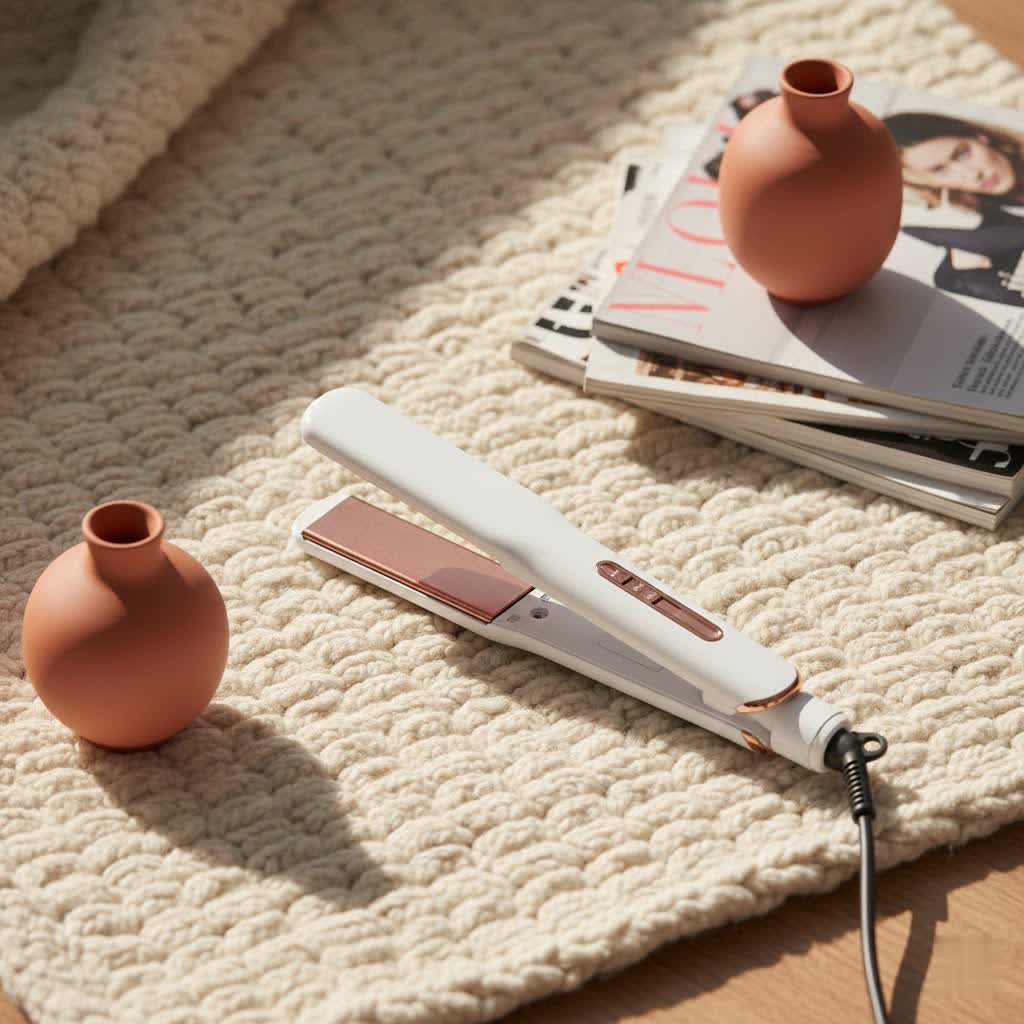
Hair straighteners, also known as flat irons, have revolutionized hair styling, evolving from basic heated plates to sophisticated tools with advanced technologies. Historically, methods ranged from hot irons heated over fires to early electric versions, but modern straighteners offer unparalleled precision and safety. Today, the market boasts a variety of types, primarily flat irons designed for straightening, but also multi-stylers that can curl or create waves, and straightening brushes for a gentler approach.
For fine hair, the benefits of using a straightener, when chosen and used correctly, are significant. They can quickly transform unruly or wavy hair into a smooth, polished style, tame frizz, and add a sleek finish. The ability to create various looks, from pin-straight to soft waves, makes them a versatile tool in any beauty arsenal. However, because fine hair is more susceptible to heat damage, careful selection and application are crucial to reap these benefits without compromising hair integrity.
Choosing the Right Hair Straightener for Your Fine Hair Needs
Selecting a hair straightener for fine hair isn’t a one-size-fits-all decision; it requires understanding how different features interact with your delicate strands. The plate material, temperature control, and plate width are critical considerations that can make or break your styling experience and hair health.
Understanding Plate Materials: Ceramic, Tourmaline, and Titanium
The material of a straightener’s plates is arguably the most important factor, especially for fine hair. Each material offers distinct properties that affect heat distribution and hair interaction.
- Ceramic: Ceramic plates are widely recommended for fine, thin, or delicate hair due to their ability to distribute heat gently and evenly. This consistent heat helps prevent hot spots, which can scorch fragile strands. Ceramic also allows for effective styling at lower temperatures, reducing the overall risk of heat damage. However, it’s essential to look for “pure” ceramic plates rather than ceramic-coated ones, as coatings can wear off, exposing hair to uneven heat from the underlying metal.
- Tourmaline (Tourmaline-Ceramic): Tourmaline is a semi-precious mineral often crushed into a fine powder and infused into ceramic plates. This combination, known as tourmaline-ceramic, is a popular choice for fine hair. Tourmaline naturally emits negative ions when heated, which helps to neutralize positive ions in dry or damaged hair. This ionic technology is excellent for reducing frizz and static, enhancing shine, and sealing the hair cuticle, resulting in smoother, silkier hair. Tourmaline-ceramic straighteners provide a gentle heat that is beneficial for all hair types, including fine hair, making them a “gold standard” for at-home styling.
- Titanium: Titanium plates are renowned for their rapid heat-up time and ability to reach very high temperatures. They are also incredibly durable. While these qualities make them a favorite among professionals for styling thick, coarse, or difficult-to-manage hair, titanium is generally not recommended for fine hair. Its intense heat can be too aggressive for delicate strands, leading to quicker damage and breakage.
|
Our Picks for the Best Hair Straightener in 2026
As an Amazon Associate I earn from qualifying purchases.
|
||
| Num | Product | Action |
|---|---|---|
| 1 | Speedy Corded Precision Hair Straightener Brush, GET Sleek Hair Literally in Minutes, LED Screen Display, Up to 430°F, Remambers Your Favorite Temp., Styled with Curved Root for Your Scalp Comfort. |

|
| 2 | TYMO Flat Iron Hair Straightener Brush 2 in 1, 200M Ions Hair Straighteners for Women, Ceramic Dual Voltage Straightening Hot Comb for Anti-Frizz Straights, Waves, Curls, 3X Less Heat Damage, Black |
|
| 3 | Remington Shine Therapy 1 inch Hair Straightener Iron, Flat Iron Infused with Argan Oil & Keratin, Professional Ceramic Flat Iron for Less Frizz, Shines and Smooth, Styling Tools |
|
| 4 | Hair Straightener Brush, TYMO Ring Hair Straightener Comb Straightening Brush for Women with 5 Temps 20s Fast Heating & Dual Voltage, Gold |
|
| 5 | Cordless Hair Curling Iron Brush Rechargeable Battery-Powered, 3-in-1 Portable Hot Straightener Curling Comb 3 Temperature Settings with LCD Display |
|
| 6 | Remington 1" Flat Iron, Hair Straightener with Anti-Static Technology, Rapid 30-Second Heat-Up, 60-Minute Auto Shut-Off, 30% Longer Ceramic Floating Plates, and Titanium-Ceramic Coating |
|
| 7 | Remington Shine Therapy 2 inch Hair Straightener, Flat Iron Infused with Argan Oil & Keratin, Professional Ceramic Flat Iron for Less Frizz, Shiny & Smooth Hot Styling Tools |
|
| 8 | Hair Straightener 1 Inch Flat Iron and Curler 2 in 1 Titanium Ceramic Ionic Dual Voltage Straightener with Heat-Resistant Silicone, for Less Frizz, Shinier & Smoother |
|
| 9 | TYMO Hair Straightener Brush - Upgraded Ionic Compact Straightening Brush for Women with Wave-Design Bristles, Fast, Smooth Styling, Lightweight Hot Comb & Travel Flat Iron, 1 Billion Ions, Black |
|
| 10 | Hair Straightener Brush, TYMO Ring Hair Straightener Comb Straightening Brush for Women with 5 Temps 20s Fast Heating & Dual Voltage, Black |
|
Essential Features for Fine Hair
Beyond plate material, several other features are non-negotiable when selecting a straightener for fine hair.
- Adjustable Temperature Control: This is perhaps the most crucial feature. Fine hair is highly susceptible to heat damage, so the ability to set the temperature precisely to a lower range (typically between 250°F–350°F or 120°C–175°C) is vital. Many high-quality straighteners offer digital temperature displays and intelligent heat sensors for optimal protection.
- Plate Width: Narrower plates, ideally 1 inch or less, provide superior control and precision. This allows you to work with smaller sections of fine hair more effectively, minimizing excessive heat exposure and preventing creases.
- Ionic Technology: As discussed with tourmaline, ionic technology helps combat frizz and static, leaving fine hair smooth and shiny without making it appear limp.
- Auto Shut-Off and Lightweight Design: An auto shut-off feature provides safety, preventing overheating if you accidentally leave the device on. A lightweight design makes the straightener easier to maneuver, reducing arm fatigue and allowing for more controlled styling.
Specialty Straighteners for Fine Hair
The market also offers specialized tools that might suit particular needs for fine hair.
- Mini/Travel Straighteners: These compact versions are excellent for touch-ups or styling bangs, and are convenient for travel. However, they may not offer the same advanced features or consistent heat as full-sized models, so choose wisely.
- Straightening Brushes: These tools combine a brush with heated ceramic or tourmaline bristles. They are often considered a gentler alternative for fine hair, offering quick smoothing and frizz reduction without the intense clamping of a traditional flat iron. They are ideal for achieving a softer, straighter look rather than pin-straight results.
Top Picks: Hair Straighteners Recommended for Fine Hair
When it comes to choosing a top-performing hair straightener for fine hair, the focus should always be on tools that prioritize gentle, even heat and precise control. While specific product names are abundant, understanding the characteristics of highly-rated straighteners will empower your decision.
Look for models that feature solid ceramic or tourmaline-infused ceramic plates. These are consistently praised for their ability to distribute heat uniformly, minimizing the risk of “hot spots” that can damage delicate strands. Many premium options designed for fine hair incorporate intelligent heat sensors that adjust the temperature in real-time, preventing overheating and ensuring the optimal heat setting for your hair type.
Another common trait among recommended straighteners for fine hair is adjustable digital temperature control. This allows you to select the lowest effective heat setting, typically in the 250°F to 350°F range, which is crucial for preventing breakage and maintaining hair health. You’ll also find that top picks often have slimmer plates (around 1 inch wide), offering better control for sectioning and styling fine hair without excessive passes. Features like ionic technology are also prevalent, helping to smooth the cuticle, reduce static, and impart a healthy shine without weighing down fine hair. Consider brands that are well-regarded for their hair health focus and offer a good warranty, ensuring a reliable and long-lasting tool.
Your Comprehensive Buying Guide for Fine Hair Straighteners
Making an informed decision on a hair straightener for your fine hair involves a systematic approach, ensuring the tool aligns with your hair’s unique needs and your styling aspirations.
Assess Your Hair Type and Styling Goals
Before diving into product specifics, take a moment to truly understand your hair. Is your fine hair naturally straight, wavy, or slightly curly? Is it also thin, color-treated, or prone to breakage? Your specific hair characteristics will dictate the ideal features. For instance, color-treated fine hair requires even lower heat settings and gentle plate materials to prevent fading and further damage. Consider your styling routine: do you primarily want to achieve pin-straight looks, or are you aiming for versatile styling with waves and curls?
Prioritize Plate Material
Based on our earlier discussion, ceramic and tourmaline-ceramic plates are your best friends when you have fine hair. They offer the gentlest and most even heat distribution. Always investigate whether the plates are solid ceramic or tourmaline-infused ceramic, rather than just coated. Coatings can chip or wear off, leading to inconsistent heating and potential damage over time. Avoid titanium plates for daily use on fine hair, as their high heat output can be too intense.
Don’t Compromise on Temperature Control
This cannot be stressed enough: precise, adjustable temperature control is absolutely crucial for fine hair. Look for straighteners that offer a wide range of settings, with the ability to go as low as 250°F to 350°F (120°C to 175°C). Digital displays make it easy to monitor and adjust the heat, preventing you from inadvertently using excessive temperatures that can cause irreparable harm to delicate strands.
Consider Brand Reputation and Warranty
Investing in a reputable brand often means investing in higher quality materials, better technology, and robust safety features. Research brands known for their excellence in hair care tools, especially those that cater to specific hair types. A good warranty also provides peace of mind, ensuring that your investment is protected against manufacturing defects.
Mastering Safe and Effective Straightening for Fine Hair
Even the best hair straightener won’t protect your fine hair if used improperly. Adopting a safe and effective styling routine is essential to achieve beautiful results while preserving hair health.
Pre-Styling Preparation is Key
The foundation of damage-free straightening begins before the plates even touch your hair.
- Clean, Dry Hair: Always start with clean, fully dry hair. Straightening damp or wet hair can cause it to literally boil, leading to severe damage.
- High-Quality Heat Protectant: This is a non-negotiable step for fine hair. A good heat protectant creates a barrier between your hair and the hot plates, minimizing heat exposure and reducing frizz. Look for lightweight formulas that won’t weigh down fine strands.
- Detangle Thoroughly: Gently detangle your hair with a wide-tooth comb or a soft brush before styling to ensure smooth passes and prevent snagging.
The Right Technique
Your straightening technique directly impacts the results and your hair’s health.
- Work in Small Sections: Divide your hair into small, manageable sections (about 1 inch wide). This ensures that the heat is evenly distributed and allows for more effective straightening with fewer passes.
- Use the Lowest Effective Temperature: Start with the lowest possible heat setting on your straightener and gradually increase it only if necessary. Fine hair typically requires less heat than thicker hair types.
- Single, Smooth Passes: Glide the straightener through each section in a single, fluid motion. Avoid lingering in one spot or making multiple passes over the same section, as this increases heat exposure and can lead to damage.
- Avoid Tugging: Gentle handling is crucial for fine hair. Allow the straightener to glide without excessive pulling or tugging, which can cause breakage.
Post-Styling Care
Once your hair is straightened, a few finishing touches can enhance its look and feel.
- Allow Hair to Cool: Let each section cool completely before touching or brushing it. This helps to set the style and minimizes disruption to the newly smoothed cuticle.
- Light Finishing Serum: Apply a small amount of lightweight, non-greasy finishing serum or oil to the ends for added shine and frizz control.
Maintenance and Longevity of Your Tool
Proper care of your straightener extends its lifespan and ensures optimal performance.
- Cleaning Plates: Regularly wipe down the plates with a damp cloth (when the tool is cool and unplugged) to remove product buildup, which can affect heat distribution.
- Proper Storage: Store your straightener in a heat-resistant pouch or a safe place where it won’t be dropped or damaged.
Common Mistakes to Avoid When Straightening Fine Hair
Even with the right tool, certain practices can undermine your efforts and harm your delicate fine hair. Being aware of these pitfalls can help you maintain beautiful, healthy strands.
A prevalent mistake is using excessive heat. Fine hair simply doesn’t require the high temperatures often used for thicker hair types. Overdoing the heat can quickly lead to dryness, breakage, and dullness. Another critical error is straightening wet or damp hair. This creates steam that can severely damage the hair cuticle, leading to a “fried” appearance and texture. Many users also skip applying a heat protectant, mistakenly believing their hair can withstand direct heat, which is rarely the case, especially for fine strands.
Repeatedly passing the straightener over the same section of hair is another common mistake that escalates heat exposure and damage. Instead, a single, smooth pass at the correct temperature should suffice. Furthermore, neglecting to clean your straightener allows product residue to build up on the plates, leading to uneven heat distribution and a less effective glide. Lastly, over-straightening or using the tool too frequently can put undue stress on fine hair, making it brittle and prone to breakage. Moderation and proper technique are key to healthy, beautiful results.
Conclusion
Navigating the world of hair straighteners for fine hair can seem daunting, but with the right knowledge, achieving silky, damage-free results is entirely possible. The journey begins with understanding that fine hair demands a delicate approach, emphasizing precise temperature control, gentle plate materials like ceramic or tourmaline-ceramic, and thoughtful styling techniques. By prioritizing these factors, utilizing essential heat protection, and avoiding common missteps, you can transform your fine hair with confidence.
Remember, the goal is not just straight hair, but healthy, vibrant straight hair. An informed choice and mindful application will ensure your hair straightener becomes a tool for beauty, not damage. What are your biggest concerns when it comes to heat styling your fine hair, and what steps do you take to protect it?
Frequently Asked Questions
What temperature is best for fine hair?
For fine hair, the ideal temperature range for straightening is typically between 250°F and 350°F (120°C and 175°C). Starting at the lowest setting and only increasing it if necessary helps prevent heat damage to delicate strands.
Is ceramic or tourmaline better for fine hair?
Both ceramic and tourmaline (often found as tourmaline-ceramic) are excellent for fine hair. Ceramic provides gentle, even heat distribution, while tourmaline-ceramic adds negative ions to reduce frizz and static, enhance shine, and seal the hair cuticle.
Can I straighten fine hair everyday?
Straightening fine hair every day is generally not recommended as it can lead to cumulative heat damage, dryness, and breakage over time. Limiting heat styling to a few times a week and always using a heat protectant can help preserve hair health.
How do I protect my fine hair from heat damage?
To protect fine hair from heat damage, always apply a high-quality heat protectant before styling, use the lowest effective temperature setting on your straightener, ensure hair is completely dry, and take single, smooth passes over small sections.
What plate size is best for fine hair?
For fine hair, a plate size of 1 inch or less is generally best. Narrower plates offer greater control and precision, allowing you to effectively straighten small sections of hair without exposing the entire head to excessive heat.
