Navigating the world of hair styling when your strands are already compromised by damage can feel like a daunting task. While the ultimate advice for damaged hair is often to avoid heat altogether, the desire for sleek, straightened locks remains strong. The good news is that with the right tools and techniques, you can achieve your desired look without exacerbating existing damage. This guide will equip you with the knowledge to choose the best hair straightener for damaged hair, focusing on gentle heat, protective features, and proper styling methods to keep your hair looking its best.
Hair Straighteners: Overview and Benefits
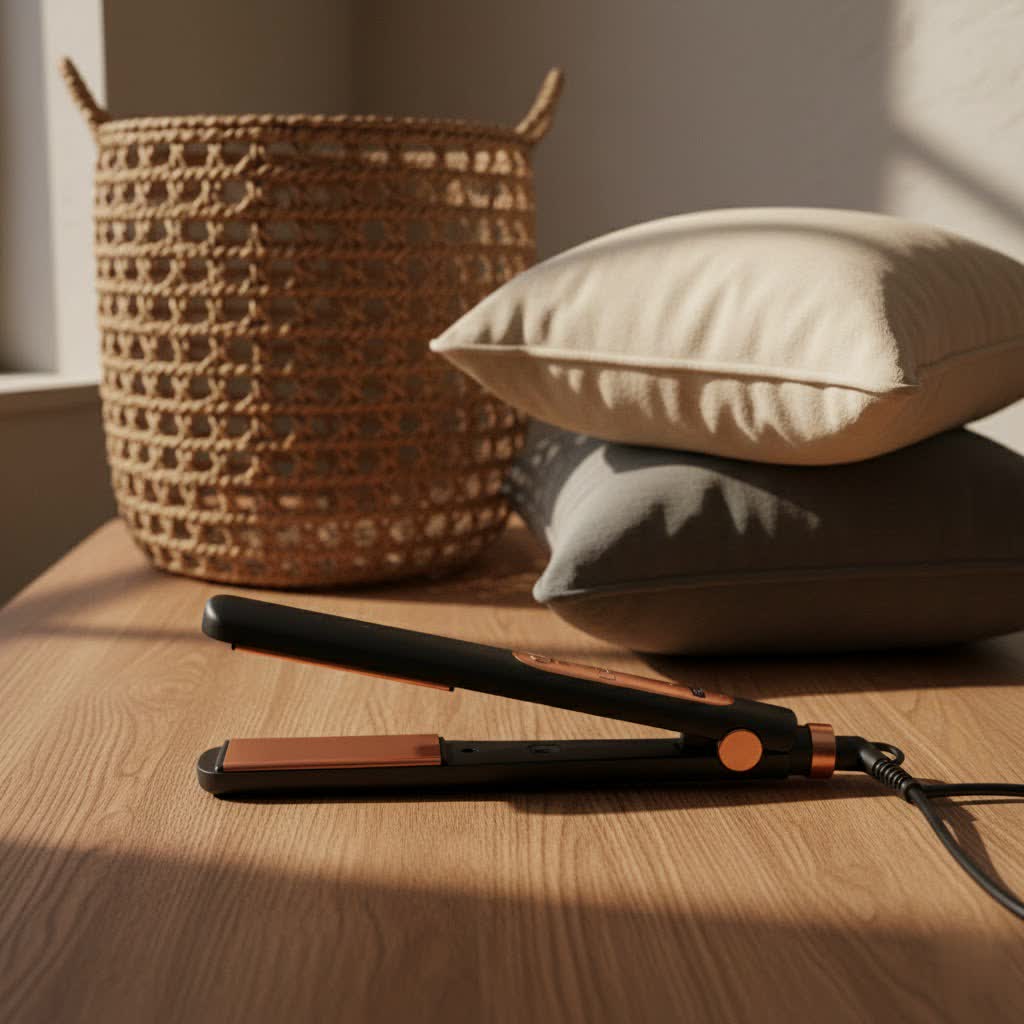
Hair straighteners, also known as flat irons, have evolved significantly since their inception, transforming from basic heated plates into sophisticated styling tools. Modern straighteners offer a range of functionalities, from achieving perfectly straight hair to creating soft waves and curls. Their primary benefit lies in their ability to quickly and easily transform hair texture, offering versatility in styling that can adapt to various looks and occasions.
For those with healthy hair, these benefits are straightforward. However, when dealing with damaged hair, the potential for quick styling must be carefully balanced against the risk of further heat-induced trauma. The key to successful heat styling on damaged hair lies in minimizing exposure and maximizing protection.
Types of Hair Straighteners Best Suited for Damaged Hair
Selecting the right straightener for damaged hair is paramount. It’s not just about the brand, but the underlying technology and features designed to protect vulnerable strands.
Plate Material: The First Line of Defense
The material of a straightener’s plates directly influences how heat is transferred to your hair, making it a critical consideration for damaged hair.
- Ceramic Plates: Widely recommended for fine, thin, color-treated, or damaged hair, ceramic plates are known for their ability to distribute heat evenly. They heat hair from the inside out, preventing “hot spots” that can cause uneven damage. The smooth surface of ceramic plates also helps the iron glide through hair effortlessly, reducing snagging and breakage. Some ceramic plates are infused with volcanic lava minerals, allowing for effective straightening at lower temperatures and with fewer passes.
- Tourmaline-Infused Plates: Often combined with ceramic, tourmaline is a crystal that, when heated, produces negative ions. These negative ions help to neutralize static and seal the hair’s cuticle, resulting in smoother, shinier, and frizz-free hair. Tourmaline-infused plates are highly effective even at lower temperatures, making them an excellent choice for damaged, frizzy, or curly hair where minimizing heat exposure is crucial.
- Titanium Plates: Titanium heats up very quickly and maintains a consistent high temperature, making it highly efficient for straightening thick, coarse, or very curly hair. While its quick heating can reduce styling time, the intense heat requires caution, especially for damaged or fine hair, as it can easily burn strands if not used correctly. However, some titanium straighteners utilize ionic technology to help seal the cuticle, adding shine and reducing frizz.
- Infrared Technology: Straighteners featuring infrared technology penetrate the hair shaft to heat hair from the inside out. This method is gentler than conventional surface heating, allowing for effective straightening at lower temperatures, thus significantly reducing the risk of further damage and promoting smoother, shinier results.
|
Our Picks for the Best Hair Straightener in 2026
As an Amazon Associate I earn from qualifying purchases.
|
||
| Num | Product | Action |
|---|---|---|
| 1 | Hair Straightener 1 Inch Flat Iron and Curler 2 in 1 Titanium Ceramic Ionic Dual Voltage Straightener with Heat-Resistant Silicone, for Less Frizz, Shinier & Smoother |

|
| 2 | Remington 1" Flat Iron, Hair Straightener with Anti-Static Technology, Rapid 30-Second Heat-Up, 60-Minute Auto Shut-Off, 30% Longer Ceramic Floating Plates, and Titanium-Ceramic Coating |
|
| 3 | Remington Shine Therapy 2 inch Hair Straightener, Flat Iron Infused with Argan Oil & Keratin, Professional Ceramic Flat Iron for Less Frizz, Shiny & Smooth Hot Styling Tools |
|
| 4 | TYMO Hair Straightener Brush - Upgraded Ionic Compact Straightening Brush for Women with Wave-Design Bristles, Fast, Smooth Styling, Lightweight Hot Comb & Travel Flat Iron, 1 Billion Ions, Black |
|
| 5 | Speedy Corded Precision Hair Straightener Brush, GET Sleek Hair Literally in Minutes, LED Screen Display, Up to 430°F, Remambers Your Favorite Temp., Styled with Curved Root for Your Scalp Comfort. |
|
| 6 | Hair Straightener Brush, TYMO Ring Hair Straightener Comb Straightening Brush for Women with 5 Temps 20s Fast Heating & Dual Voltage, Black |
|
| 7 | TYMO Flat Iron Hair Straightener Brush 2 in 1, 200M Ions Hair Straighteners for Women, Ceramic Dual Voltage Straightening Hot Comb for Anti-Frizz Straights, Waves, Curls, 3X Less Heat Damage, Black |
|
| 8 | Hair Straightener Brush, TYMO Ring Hair Straightener Comb Straightening Brush for Women with 5 Temps 20s Fast Heating & Dual Voltage, Gold |
|
| 9 | Cordless Hair Curling Iron Brush Rechargeable Battery-Powered, 3-in-1 Portable Hot Straightener Curling Comb 3 Temperature Settings with LCD Display |
|
| 10 | Remington Shine Therapy 1 inch Hair Straightener Iron, Flat Iron Infused with Argan Oil & Keratin, Professional Ceramic Flat Iron for Less Frizz, Shines and Smooth, Styling Tools |
|
Key Features for Protecting Fragile Strands
Beyond plate material, specific features can make a significant difference in protecting damaged hair.
- Adjustable Temperature Control: This is perhaps the most crucial feature for damaged hair. It allows you to select the lowest effective temperature for your hair type and condition. For fragile or very fine hair, recommended temperatures range between 250-290°F (approximately 120-140°C). Avoid straighteners with only one high heat setting.
- Ionic Technology: By emitting negative ions, these straighteners help break down water molecules, promoting faster drying and styling. More importantly, they minimize frizz, reduce static, and help to smooth the hair’s cuticle, locking in moisture and enhancing shine.
- Floating Plates: Plates that slightly pivot or “float” ensure even pressure distribution across the hair section. This prevents snagging, pulling, and unnecessary stress on already fragile hair, allowing for a smoother glide.
- Automatic Shut-off: A vital safety feature, automatic shut-off turns off the device after a period of inactivity (usually 30-60 minutes), preventing accidents and energy waste.
- Plate Width: For damaged hair, selecting the right plate width can minimize passes and overall heat exposure. Narrower plates (around 0.5-1 inch) are ideal for fine, short, or delicate hair, allowing for precise styling and reaching roots easily. Wider plates (1.25-2 inches) can be efficient for longer or thicker hair, as they can straighten larger sections quickly, reducing the total time your hair is exposed to heat.
Top Picks: Hair Straighteners Recommended for Damaged Hair
While individual results may vary, certain straighteners are consistently lauded for their gentle approach and protective features, making them suitable for damaged hair when used correctly.
- Drybar Reserve Styling Iron: This innovative iron is highlighted for damaged hair due to its unique design. It features a gap between its titanium plates, which helps to minimize direct heat exposure. Furthermore, it allows for customized temperature settings for both the top and bottom plates, providing tailored protection for sensitive strands. Its ionic technology also aids in achieving a smooth, static-free finish.
- Chi Lava 4D Hairstyling Iron: Featuring ceramic plates infused with volcanic lava minerals, this straightener is praised for its ability to achieve sleek, glossy hair in just one pass. The volcanic lava minerals allow for effective straightening at lower temperatures, reducing the need for multiple passes and minimizing potential damage.
- T3 SinglePass StyleMax: True to its name, this ceramic flat iron is designed to straighten hair efficiently with fewer passes. It offers preset temperature settings based on hair type (fine, medium, coarse), guiding users to optimal heat levels and preventing excessive exposure. Testers have noted its ability to leave hair feeling smooth and healthy, with reduced frizz and flyaways.
- GHD Platinum+: While not exclusively for damaged hair, the GHD Platinum+ is an excellent all-around option that incorporates predictive heat technology. It maintains an optimal styling temperature of 185°C (365°F) consistently across its ceramic plates, preventing both overheating and cooling down, which means fewer passes and less overall heat contact for healthy-looking results.
Comprehensive Buying Guide: Selecting Your Gentle Straightener
Choosing the ideal hair straightener for damaged hair requires careful consideration of your hair’s unique needs.
Understand Your Hair’s Condition
Before anything else, accurately assess your hair’s current state. Is it fine and fragile? Chemically treated or bleached? Prone to breakage or split ends? Each of these conditions indicates a higher susceptibility to heat damage, necessitating a straightener with precise temperature control and gentle plate materials. Thin, weak, color-treated, or easily damaged hair will always benefit from the lowest possible heat settings and the most uniform heat distribution.
Prioritize Plate Material & Technology
For damaged hair, ceramic and tourmaline-infused ceramic plates are generally the safest bets due to their even heat distribution and ability to style at lower temperatures. Infrared technology offers an additional layer of protection by heating hair from the inside. While titanium offers speed, it should be approached with extreme caution and only with precise temperature control for damaged hair. Always look for ionic technology to combat frizz and enhance shine.
Temperature Control is Non-Negotiable
A straightener with a wide range of adjustable temperature settings is critical. You should be able to set the heat precisely, ideally below 300°F (150°C) for most damaged or fine hair types. Avoid tools with only “low,” “medium,” or “high” settings if they don’t specify the exact temperatures. A digital display for temperature is a beneficial feature.
Ergonomics & Safety Features
Consider how the straightener feels in your hand. A lightweight, ergonomically designed tool with a comfortable grip and a long, swivel cord will make styling easier and reduce hand fatigue, especially if you have a lot of hair to straighten. Safety features like automatic shut-off are essential for peace of mind.
Mastering Safe & Effective Straightening for Damaged Hair
Even with the best straightener, proper technique is crucial to prevent further damage.
Preparation is Key
- Start with Clean, Dry Hair: Never straighten wet or damp hair. The extreme heat on wet hair can cause it to boil internally, leading to severe damage. Ensure your hair is completely dry before applying any heat.
- Apply a Quality Heat Protectant: This is a non-negotiable step. A good heat protectant creates a barrier between your hair and the heat, minimizing thermal damage. Apply it generously and evenly from roots to ends.
- Section Your Hair: Divide your hair into small, manageable sections (1-2 inches wide). This ensures that each strand receives even heat and reduces the need for multiple passes over the same section.
Flawless Technique
- Use the Lowest Effective Temperature: Begin with the lowest possible temperature setting. If your hair straightens easily, stick with it. Gradually increase the temperature only if necessary, one small increment at a time, until you achieve the desired result.
- Slow, Single Passes: Instead of multiple quick passes, glide the straightener slowly and steadily through each section of hair with a single pass. This allows the heat to evenly penetrate and straighten the hair without overexposing it.
- Avoid Pressing Too Hard or Lingering: Do not clamp down excessively hard on the straightener or hold it in one spot for too long. This can create creases and concentrate heat in one area, leading to burns and breakage.
Post-Styling Care
- Allow Hair to Cool: Let your hair cool completely after straightening before brushing or applying additional products. This helps to set the style and minimizes stress on the hair.
- Apply Lightweight Serum or Oil: A small amount of a lightweight hair serum or argan oil applied from mid-lengths to ends can add shine, reduce frizz, and provide a protective layer.
- Consider Silk Pillowcases: Sleeping on a silk pillowcase can reduce friction and tangling, helping to preserve your straightened style and prevent further mechanical damage to fragile hair.
- Wait Before Rewashing: Ideally, wait 48-72 hours before rewashing your hair to prolong the style and reduce frequent heat exposure.
Common Pitfalls: Mistakes to Avoid When Styling Damaged Hair
Be aware of these common mistakes that can worsen the condition of damaged hair:
- Using Excessively High Heat: Believing higher heat equals faster or better results is a myth for damaged hair. It only leads to more breakage, dryness, and split ends. The outcome often doesn’t last longer and causes significant harm.
- Straightening Wet or Damp Hair: As mentioned, this is a severe mistake that can literally boil your hair from the inside out, causing irreparable damage. Always ensure hair is bone dry.
- Skipping Heat Protectant: Neglecting this crucial step leaves your hair vulnerable to direct heat, making it more prone to damage.
- Repeated Passes or Pressing Too Hard: Constantly running the straightener over the same section or clamping down with too much force increases friction and heat exposure, leading to weakened hair fibers and creases.
- Daily Straightening: Even with the best tools and techniques, frequent heat styling on damaged hair is not advisable. Incorporate heatless styles into your routine and allow your hair to rest and recover. Consider alternatives like nanoplastia treatments, which can offer long-lasting straightening without harsh chemicals.
Conclusion
Styling damaged hair requires a delicate touch and a strategic approach. While complete abstinence from heat is often the healthiest choice, choosing the best hair straightener for damaged hair and employing proper techniques can help you achieve your desired look without compromising your hair’s integrity. Prioritize straighteners with ceramic or tourmaline plates, precise adjustable temperature controls, and ionic technology. Always use a heat protectant, ensure hair is fully dry, and employ slow, single passes at the lowest effective temperature. By being mindful and making informed choices, you can embrace beautiful, straightened hair while nurturing its health.
What steps will you take today to protect your damaged hair while still enjoying your favorite styles?
Frequently Asked Questions
What is the ideal temperature for straightening damaged hair?
For damaged, fine, or fragile hair, the ideal temperature range is typically between 250-290°F (approximately 120-140°C). Always start at the lowest setting and only increase it gradually if needed, ensuring not to exceed 300°F (150°C) to prevent further harm.
Are ceramic or titanium plates better for damaged hair?
Ceramic or tourmaline-infused ceramic plates are generally better for damaged hair. They offer even heat distribution, heat hair from the inside out, and are effective at lower temperatures, minimizing the risk of additional damage. Titanium heats up quickly and intensely, making it more suitable for healthy, thick, or coarse hair.
How often can I straighten damaged hair?
It’s best to limit straightening damaged hair as much as possible. Daily straightening is strongly discouraged, as it can worsen damage. Try to incorporate heatless styling days or use your straightener only for special occasions to give your hair adequate time to recover and minimize heat exposure.
Can heat protectant truly prevent damage?
While heat protectant doesn’t entirely prevent damage, it significantly minimizes it by creating a thermal barrier between your hair and the heat. It helps to distribute heat more evenly and reduces moisture loss, thus safeguarding your strands. Always use a high-quality heat protectant before any heat styling.
