Navigating the world of hair straighteners can feel overwhelming, especially when your hair is thin and prone to damage. You want sleek, smooth results without compromising the delicate nature of your strands. The good news is that with the right tool and technique, achieving beautiful, straight hair is entirely possible and safe for thin hair. This comprehensive guide will walk you through everything you need to know, from understanding the best features to top product recommendations, ensuring you can straighten your hair with confidence and care.
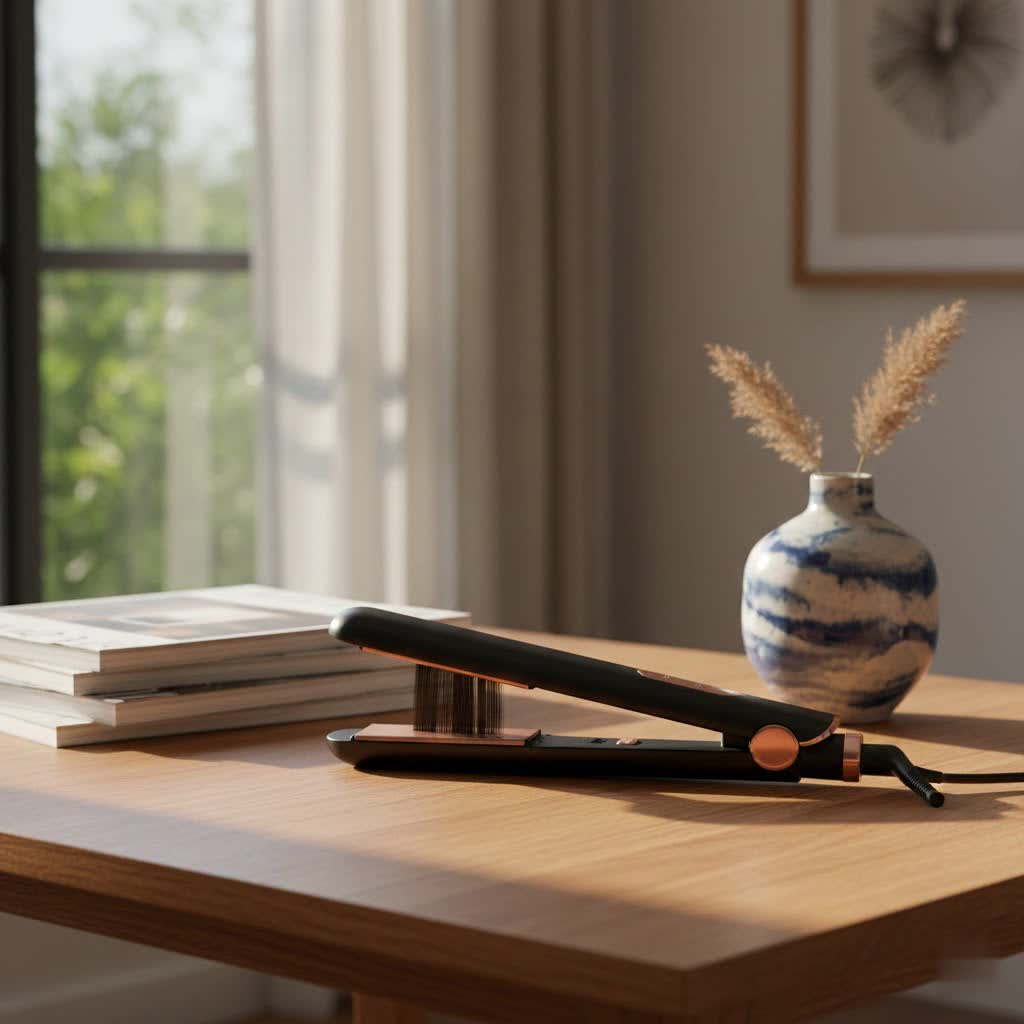
Hair Straighteners: An Overview and Their Benefits for Thin Hair
Hair straighteners, also known as flat irons, have come a long way since their early, basic heated plate designs. Initially, they were simple tools for achieving pin-straight hair, but today’s innovations offer far more versatility and, crucially, better hair protection. Modern straighteners include various types, from classic flat irons to straightening brushes and even cordless options, each designed to cater to different styling needs and hair types.
For those with thin hair, the benefits of a well-chosen straightener extend beyond just creating a straight style. The right tool can quickly tame frizz, add a healthy shine, and even be used to create soft waves or curls, offering versatile styling options. When used correctly, a quality straightener can transform fine, flyaway strands into a polished look, boosting confidence and simplifying your daily routine. However, the delicate nature of thin hair demands careful consideration to prevent potential heat damage.
Essential Features for Thin Hair Straighteners
When it comes to selecting a hair straightener for thin hair, certain features are paramount for ensuring both effective styling and hair health. Prioritizing these elements will make a significant difference in your results and minimize the risk of damage.
Plate Material: The Gentle Touch Your Hair Needs
The material of the straightener plates is perhaps the most critical factor for thin hair.
- Ceramic: This is widely considered the best option for fine, thin, color-treated, or damaged hair. Ceramic plates distribute heat evenly and gently, heating the hair from the inside out. This uniform heat helps to smooth strands and reduce frizz without excessive exposure to high temperatures.
- Tourmaline: Often found as a coating over ceramic or metal plates, tourmaline is a crushed mineral that produces negative ions. These negative ions are excellent at neutralizing positive ions in dry, frizzy hair, resulting in a smoother, shinier, and less static-prone finish. Tourmaline-infused plates are highly gentle and effective, even at lower temperatures, making them ideal for delicate hair.
- Titanium: While titanium plates heat up very quickly and intensely, making them efficient for thick, coarse, or unruly hair, they can often be too aggressive for thin or fragile strands. The rapid and high heat can potentially lead to damage if not used with extreme caution and at very low settings. For most with thin hair, ceramic or tourmaline plates are a safer and more effective choice.
|
Our Picks for the Best Hair Straightener in 2026
As an Amazon Associate I earn from qualifying purchases.
|
||
| Num | Product | Action |
|---|---|---|
| 1 | Cordless Hair Curling Iron Brush Rechargeable Battery-Powered, 3-in-1 Portable Hot Straightener Curling Comb 3 Temperature Settings with LCD Display |

|
| 2 | Hair Straightener Brush, TYMO Ring Hair Straightener Comb Straightening Brush for Women with 5 Temps 20s Fast Heating & Dual Voltage, Black |
|
| 3 | Remington 1" Flat Iron, Hair Straightener with Anti-Static Technology, Rapid 30-Second Heat-Up, 60-Minute Auto Shut-Off, 30% Longer Ceramic Floating Plates, and Titanium-Ceramic Coating |
|
| 4 | TYMO Hair Straightener Brush - Upgraded Ionic Compact Straightening Brush for Women with Wave-Design Bristles, Fast, Smooth Styling, Lightweight Hot Comb & Travel Flat Iron, 1 Billion Ions, Black |
|
| 5 | Speedy Corded Precision Hair Straightener Brush, GET Sleek Hair Literally in Minutes, LED Screen Display, Up to 430°F, Remambers Your Favorite Temp., Styled with Curved Root for Your Scalp Comfort. |
|
| 6 | TYMO Flat Iron Hair Straightener Brush 2 in 1, 200M Ions Hair Straighteners for Women, Ceramic Dual Voltage Straightening Hot Comb for Anti-Frizz Straights, Waves, Curls, 3X Less Heat Damage, Black |
|
| 7 | Hair Straightener Brush, TYMO Ring Hair Straightener Comb Straightening Brush for Women with 5 Temps 20s Fast Heating & Dual Voltage, Gold |
|
| 8 | Hair Straightener 1 Inch Flat Iron and Curler 2 in 1 Titanium Ceramic Ionic Dual Voltage Straightener with Heat-Resistant Silicone, for Less Frizz, Shinier & Smoother |
|
| 9 | Remington Shine Therapy 1 inch Hair Straightener Iron, Flat Iron Infused with Argan Oil & Keratin, Professional Ceramic Flat Iron for Less Frizz, Shines and Smooth, Styling Tools |
|
| 10 | Remington Shine Therapy 2 inch Hair Straightener, Flat Iron Infused with Argan Oil & Keratin, Professional Ceramic Flat Iron for Less Frizz, Shiny & Smooth Hot Styling Tools |
|
Temperature Control: Precision for Protection
Adjustable temperature settings are non-negotiable for thin hair. Fine hair is more susceptible to heat damage, so the ability to control the heat precisely is essential. Look for straighteners that offer a range of settings, ideally allowing you to select lower temperatures between 250°F–350°F (120°C–175°C). Some advanced models may have pre-programmed settings for different hair textures, taking the guesswork out of choosing the right heat level. While some professional straighteners like certain GHD models operate at a fixed temperature (often around 365°F/185°C), claiming it’s optimal for all hair types, many experts still recommend lower temperatures for very delicate strands.
Plate Width: The Right Size for Delicate Strands
For thin or fine hair, narrower plates are typically superior. Straighteners with plates 1 inch or less in width offer better control and precision. This smaller size allows you to work with smaller sections of hair, ensuring even heat distribution and preventing excessive exposure. Narrower plates are also excellent for styling shorter hair, getting close to the roots, and creating detailed styles or curls. Wider plates, conversely, are designed for thicker and longer hair, covering larger sections quickly, which isn’t necessary and can be detrimental for thin hair.
Ionic Technology: Taming Frizz and Enhancing Shine
Many modern straighteners incorporate ionic technology, often linked with tourmaline plates. These tools emit negative ions that interact with the positive ions in your hair, which are typically associated with frizz and static. The result is significantly reduced frizz, enhanced smoothness, and a natural, healthy shine, leaving thin hair looking polished rather than limp or flyaway.
Floating Plates: Gentle Gliding for Less Snagging
Hair straighteners with floating plates are designed with a slight spring mechanism that allows the plates to adjust and pivot. This flexibility ensures even pressure across your hair strands, adapting to their thickness and preventing excessive heat on specific sections. Floating plates also reduce tugging, pulling, and snagging, which is particularly beneficial for delicate, fragile thin hair that is prone to breakage.
Safety Features: Peace of Mind
Beyond performance, look for safety features like an automatic shut-off function, which turns the device off after a period of inactivity. This provides peace of mind, especially if you’re prone to forgetting to unplug your styling tools. A fast heat-up time is also convenient, allowing you to style quickly and efficiently without keeping the heat on longer than necessary.
Top Picks: Best Hair Straighteners for Thin Hair
Choosing the right hair straightener can be a game-changer for individuals with thin hair, offering sleek styles without the risk of damage. Based on features ideal for delicate strands, here are some top contenders known for their performance and gentleness.
The T3 SinglePass StyleMax is consistently recommended for thin hair due to its intelligent design. It features nine manual heat settings, including three pre-programmed options tailored to hair texture, ensuring you don’t use excessive heat. Its CeraGloss ceramic plates are lauded for their even heat distribution and ability to glide through hair smoothly, often achieving desired results in a single pass. Many users with thin, wavy hair report achieving straightened styles efficiently and without tugging.
Another strong contender, often cited for its effectiveness on fine hair, is the GHD Platinum+ or the GHD Original Styler. GHD straighteners are known for their consistent temperature of 185°C (365°F), which the brand states is the optimal temperature for styling without causing extreme damage. The Platinum+ specifically uses predictive ultra-zone technology to adapt to hair thickness and styling speed, monitoring temperature 250 times per second. While some with very fine hair find the fixed temperature a bit high, many report shiny, smooth results with minimal passes, and the ceramic plates prevent snagging.
For a specialized option, the BondiBoost Aloe Flat Iron is explicitly marketed and praised for thin hair. While specific technical details vary, its focus on being suitable for delicate strands suggests features like ceramic plates and precise temperature control.
The NuMe Megastar Flat Iron is another highly regarded tool, especially for fine hair. This straightener features 1-inch tourmaline plates, which are excellent for gentle styling with negative ion conditioning and far infrared technology to seal in moisture and minimize damage. It includes a digital display, auto shut-off, and temperature control settings, providing a comprehensive and safe styling experience.
While some individuals with thin hair find success with the BaBylissPro Nano Titanium straightener, it’s important to approach titanium plates with caution due to their rapid and intense heat. If choosing a titanium option, ensure it has advanced temperature control and use it on the lowest possible setting. However, for most thin hair types, ceramic or tourmaline remains the gentler recommendation.
For those seeking a reliable and budget-friendly ceramic option, the Chi 1-Inch Original Ceramic Hairstyling Iron is often highlighted as a good value. Its ceramic plates provide even heat, making it a solid choice for smoothing thin hair effectively.
Choosing the Right Hair Straightener for Your Thin Hair (Buying Guide)
Selecting the perfect hair straightener is an investment in your hair’s health and style. With thin hair, this decision requires a little extra thought. Here’s a detailed guide to help you make an informed choice.
Assess Your Hair Type and Needs
First, truly understand your hair. Is it just thin, or also fine, fragile, color-treated, or prone to breakage? What styles do you aim for? Primarily straightening, or do you want the versatility to create curls and waves?
- Thin, fine, fragile hair: Prioritize minimal heat exposure and gentle plate materials.
- Color-treated hair: Requires even gentler heat and technologies that preserve color.
- Styling goals: If you want versatility, ensure the straightener’s design allows for curling as well as straightening.
Prioritize Plate Material
As discussed, the plate material is crucial.
- Ceramic: Opt for solid ceramic plates for consistent, even heat distribution, which is less damaging for thin hair. Avoid “ceramic-coated” plates if possible, as the coating can chip over time, exposing your hair to harsher metal.
- Tourmaline: Excellent for reducing frizz and adding shine, tourmaline plates are a great choice for thin hair due to their gentle, ion-emitting properties. Many high-quality straighteners combine ceramic with tourmaline for maximum benefit.
- Titanium: Generally best avoided for thin hair unless you have very specific needs or are experienced in using them at extremely low temperatures.
Look for Adjustable Heat Settings
This feature is non-negotiable for thin hair. A straightener with a wide range of adjustable temperature settings allows you to customize the heat to your hair’s specific needs, preventing unnecessary damage. Aim for models that offer precise digital controls and can go as low as 250°F (120°C), with a maximum recommended for thin hair generally not exceeding 350°F (175°C).
Consider Plate Size and Design
- Plate Width: For thin hair, a plate width of 1 inch or less is ideal. This provides better control, allows for styling smaller sections, and is more versatile for creating various looks, including curls.
- Plate Shape: Look for straighteners with slightly rounded edges if you plan to create waves or curls. This design prevents harsh crimps in your hair.
- Floating Plates: These are a significant advantage as they ensure even tension and prevent snagging, reducing stress on delicate strands.
Don’t Forget Advanced Technologies
- Ionic Technology: Reduces frizz and static, leaving hair smoother and shinier.
- Far Infrared Heat: Some ceramic and tourmaline irons use far infrared heat, which penetrates the hair shaft, straightening it from the inside out, making the process more efficient and less damaging.
- Auto Shut-off: A vital safety feature for peace of mind.
- Dual Voltage: If you travel frequently, this feature ensures your straightener can be used internationally.
Brand Reputation and Price
While price isn’t always indicative of quality, investing in a reputable brand known for hair care technology often pays off in the long run. Brands like T3, GHD, and NuMe frequently appear in top recommendations for thin hair. Consider your budget, but prioritize features that protect your delicate strands over simply the lowest price. Read user reviews specifically from individuals with thin hair to gauge real-world performance.
How to Use a Hair Straightener Safely and Effectively on Thin Hair
Using a hair straightener on thin hair requires a gentle approach to prevent damage while achieving the desired sleek finish. By following these steps, you can protect your delicate strands and maintain their health.
Preparation is Key
- Start with Clean, Dry Hair: Always ensure your hair is completely dry before straightening. Using a straightener on damp or wet hair can cause significant damage, leading to breakage and frizz.
- Apply Heat Protectant: This is the most crucial step for thin hair. A good quality heat protectant spray creates a barrier between your hair and the heat, minimizing damage. Distribute it evenly from roots to ends before applying any heat.
- Detangle Thoroughly: Gently brush or comb through your hair to remove any tangles. This ensures smooth gliding of the straightener and prevents pulling or snagging.
- Section Your Hair: Divide your hair into small, manageable sections, about 1 inch wide and ½ inch thick. This allows for even heat distribution and ensures each strand is straightened effectively without multiple passes.
Correct Technique
- Set the Right Temperature: Select the lowest effective temperature for your thin hair, typically between 250°F–350°F (120°C–175°C). Start low and increase only if necessary.
- Glide Smoothly: Place a section of hair between the plates, close gently, and glide the straightener down the hair shaft in one fluid, consistent motion from roots to ends.
- Single Pass Principle: For thin hair, aim to straighten each section in a single pass. Repeated passes over the same section increase heat exposure and potential damage.
- Avoid Holding Too Long: Do not hold the straightener stationary on any section of hair, as this can create hot spots and burn your hair.
Protecting Your Strands Long-Term
- Limit Frequency: Try to limit straightening thin hair to a few times a week rather than daily. Give your hair breaks from heat styling.
- Deep Conditioning: Incorporate regular deep conditioning treatments or hair masks into your routine to replenish moisture and strengthen your hair.
- Air Dry When Possible: Whenever you can, allow your hair to air dry naturally to reduce overall heat exposure.
Maintenance
- Clean Your Straightener: Regularly wipe the plates with a damp cloth (when cool and unplugged) to remove product buildup. Buildup can interfere with even heat distribution and snag hair.
- Store Properly: Store your straightener in a heat-resistant pouch or a safe, dry place where it won’t get damaged.
Common Mistakes to Avoid When Straightening Thin Hair
Even with the best hair straightener, improper technique can lead to damage, especially with delicate thin hair. Being aware of common mistakes can help you protect your strands and achieve healthier, more beautiful results.
-
Using Too High a Temperature: This is perhaps the most frequent and damaging mistake. Thin hair does not require high heat to straighten effectively. Excessively high temperatures can literally fry your hair, leading to breakage, split ends, and dullness. Always use the lowest effective temperature setting.
-
Straightening Wet or Damp Hair: Applying a hot iron to wet or even slightly damp hair can cause the water inside the hair shaft to boil, creating steam and leading to “bubble hair” or severe damage. Ensure your hair is completely dry before you begin styling.
-
Not Using Heat Protectant: Skipping heat protectant is like going out in the sun without sunscreen. This protective barrier is vital for shielding your delicate thin hair from the direct impact of high temperatures, preventing moisture loss and structural damage.
-
Excessive Passes or Holding Too Long: Repeatedly running the straightener over the same section of hair or holding the iron stationary for too long concentrates heat on one area, leading to severe damage. Aim for a single, smooth pass per section.
-
Straightening Too Often (Daily Use): While a good straightener minimizes damage, continuous daily heat styling can still weaken thin hair over time. Try to limit straightening to a few times a week or embrace your natural texture on off-days.
-
Not Sectioning Hair Properly: Attempting to straighten large sections of hair results in uneven heat distribution, requiring multiple passes or higher temperatures, both of which are detrimental to thin hair. Take your time to create small, manageable sections.
-
Poor Maintenance of the Tool: A dirty straightener with product buildup on its plates can snag hair, pull it, and distribute heat unevenly. Regularly cleaning your straightener ensures optimal performance and protects your hair.
Conclusion
Choosing the Best Hair Straightener For Thin Hair is about making informed decisions that prioritize both style and hair health. By focusing on tools with ceramic or tourmaline plates, precise adjustable temperature controls, and narrow plate widths, you can significantly reduce the risk of damage. Remember that preparation is as important as the tool itself—always use a heat protectant and employ proper, gentle techniques.
With the right straightener and a mindful styling routine, you can confidently achieve sleek, smooth, and beautifully styled hair without compromising its delicate nature. Take the time to understand your hair’s unique needs, and you’ll unlock the secret to gorgeous, healthy results every time you style.
What features do you look for most when choosing a new hair styling tool?
Frequently Asked Questions
What is the ideal temperature for straightening thin hair?
For thin hair, the ideal temperature range is typically between 250°F–350°F (120°C–175°C). Always start at the lowest setting and only increase if necessary, as thin hair is more susceptible to heat damage.
Are ceramic or titanium plates better for fine hair?
Ceramic and tourmaline plates are generally better for fine and thin hair. They provide even, gentle heat distribution, reducing the risk of damage and frizz. Titanium plates heat up quickly and intensely, which can be too harsh for delicate strands unless used with extreme caution at very low temperatures.
How often can I straighten my thin hair?
It’s best to limit straightening thin hair to a few times per week. Daily heat styling, even with a protective routine, can eventually lead to dryness, breakage, and weakening of delicate strands.
Can a hair straightener damage thin hair permanently?
Yes, using a straightener incorrectly, especially with excessive heat or without heat protectant, can cause permanent damage to thin hair, including breakage, split ends, and altering its natural texture. However, with proper tools and techniques, damage can be minimized or avoided.
Do I need a heat protectant for thin hair?
Absolutely. A heat protectant is essential for thin hair as it creates a barrier that shields strands from high temperatures, helping to prevent moisture loss, frizz, and structural damage during heat styling.
