For many with Afro-textured hair, the desire for versatile styling options is strong, ranging from embracing voluminous curls to achieving a sleek, straight look. While the beauty of natural coils is undeniable, the allure of smooth, straightened hair often comes with concerns about potential damage. This comprehensive guide is designed to demystify the world of Afro hair straighteners, offering expert insights and practical advice to help you achieve beautifully straightened hair while safeguarding its health and integrity.
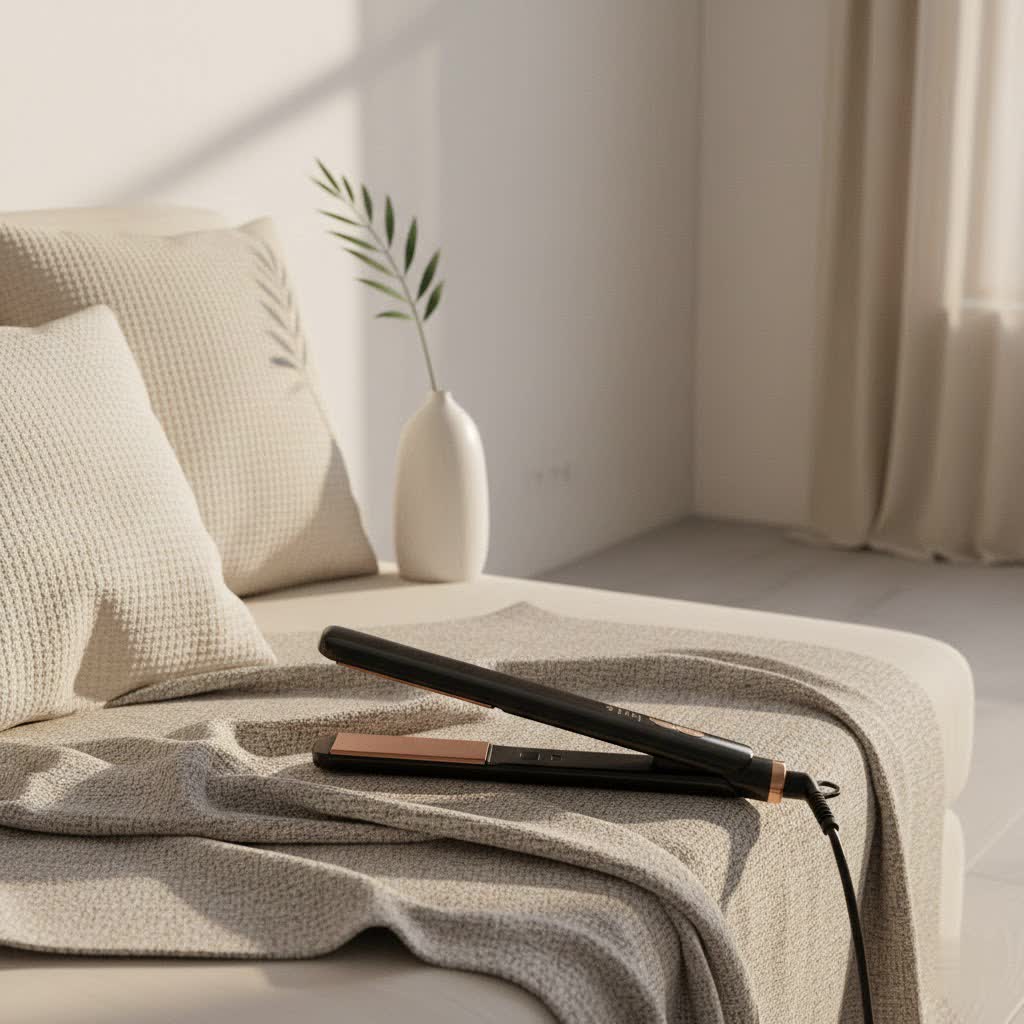
Afro Hair Straighteners: Overview and Benefits
Afro-textured hair, with its unique structure ranging from loose waves to tight coils, requires specialized care and tools. Afro hair straighteners are specifically engineered to cater to these distinct needs, ensuring effective styling without compromising hair health. Historically, straightening methods for Black hair have evolved from basic hot combs to the advanced flat irons available today, each iteration aiming for better results and reduced damage.
Modern hair straighteners for Afro hair typically fall into a few categories:
- Traditional Flat Irons: These are the most common, featuring heated plates made from various materials like ceramic, titanium, or tourmaline.
- Wet-to-Dry Straighteners: While convenient for some hair types, these often require careful use with Afro hair to prevent excessive heat exposure.
- Straightening Brushes: These can offer some stretching and smoothing, but usually don’t achieve the bone-straight finish desired for tightly coiled hair.
The primary benefit of using a dedicated Afro hair straightener is the ability to temporarily transform your hair’s texture, offering versatility in styling. It allows for quick changes in appearance, reduces everyday styling time, and provides a polished look that can be difficult to achieve with other methods.
Choosing the Right Afro Hair Straightener for Your Needs
Selecting the ideal hair straightener is paramount for achieving desired results and protecting your hair. Different Afro hair types have varying needs, influencing the best tool choice.
Straighteners for Fine, Delicate Afro Hair
If your Afro hair is fine or delicate, prone to breakage, or chemically treated (relaxed or colored), your focus should be on gentle heat and even distribution. Look for straighteners with:
- Adjustable Low-Temperature Settings: This is crucial to prevent overheating and minimize damage.
- Ceramic or Tourmaline Plates: These materials heat up evenly and glide smoothly, reducing snagging and providing gentle styling. Ghd Original Styler and CHI Original Ceramic Flat Iron are often recommended for their gentle, consistent heat.
|
Our Picks for the Best Hair Straightener in 2026
As an Amazon Associate I earn from qualifying purchases.
|
||
| Num | Product | Action |
|---|---|---|
| 1 | Hair Straightener Brush, TYMO Ring Hair Straightener Comb Straightening Brush for Women with 5 Temps 20s Fast Heating & Dual Voltage, Gold |

|
| 2 | Remington Shine Therapy 1 inch Hair Straightener Iron, Flat Iron Infused with Argan Oil & Keratin, Professional Ceramic Flat Iron for Less Frizz, Shines and Smooth, Styling Tools |
|
| 3 | Hair Straightener Brush, TYMO Ring Hair Straightener Comb Straightening Brush for Women with 5 Temps 20s Fast Heating & Dual Voltage, Black |
|
| 4 | TYMO Hair Straightener Brush - Upgraded Ionic Compact Straightening Brush for Women with Wave-Design Bristles, Fast, Smooth Styling, Lightweight Hot Comb & Travel Flat Iron, 1 Billion Ions, Black |
|
| 5 | Cordless Hair Curling Iron Brush Rechargeable Battery-Powered, 3-in-1 Portable Hot Straightener Curling Comb 3 Temperature Settings with LCD Display |
|
| 6 | TYMO Flat Iron Hair Straightener Brush 2 in 1, 200M Ions Hair Straighteners for Women, Ceramic Dual Voltage Straightening Hot Comb for Anti-Frizz Straights, Waves, Curls, 3X Less Heat Damage, Black |
|
| 7 | Remington 1" Flat Iron, Hair Straightener with Anti-Static Technology, Rapid 30-Second Heat-Up, 60-Minute Auto Shut-Off, 30% Longer Ceramic Floating Plates, and Titanium-Ceramic Coating |
|
| 8 | Hair Straightener 1 Inch Flat Iron and Curler 2 in 1 Titanium Ceramic Ionic Dual Voltage Straightener with Heat-Resistant Silicone, for Less Frizz, Shinier & Smoother |
|
| 9 | Speedy Corded Precision Hair Straightener Brush, GET Sleek Hair Literally in Minutes, LED Screen Display, Up to 430°F, Remambers Your Favorite Temp., Styled with Curved Root for Your Scalp Comfort. |
|
| 10 | Remington Shine Therapy 2 inch Hair Straightener, Flat Iron Infused with Argan Oil & Keratin, Professional Ceramic Flat Iron for Less Frizz, Shiny & Smooth Hot Styling Tools |
|
Straighteners for Thick, Coarse Afro Hair
For those with thick, dense, or coarse Afro hair, you’ll need a straightener that can handle higher temperatures efficiently and effectively.
- Higher Adjustable Temperature Settings: While lower is generally better, thicker hair may require slightly more heat to straighten effectively, so precise control is key.
- Titanium Plates or Wider Ceramic Plates: Titanium heats up faster and transfers heat more efficiently, making it ideal for stubborn textures. Wider plates (1.5 to 2 inches) allow you to straighten larger sections, reducing styling time. The BaBylissPRO Nano Titanium Straightening Iron and ghd Max Styler are popular choices for their powerful performance.
Mini and Travel Straighteners
These compact tools are perfect for touch-ups or styling on the go.
- Advantages: Small size and portability.
- Considerations: Ensure they still offer adequate heat and quality for Afro hair. Not all mini straighteners are created equal; some may lack the power needed for thick textures. Prioritize models with reliable heat output and plate materials, even in a compact form. The ghd Unplugged Styler offers cordless convenience with decent performance for touch-ups.
Comparing Popular Hair Straightener Plate Materials
The material of your straightener’s plates significantly impacts its performance and how it interacts with your hair. Understanding the differences is key to making an informed choice for Afro hair.
| Plate Material | Pros | Cons | Ideal For |
|---|---|---|---|
| Ceramic | Heats evenly, gentler on hair, reduces hot spots, less damage, smooth glide, fewer passes needed. | Heats slower than titanium, coating can wear off over time, less effective on very coarse hair. | Fine, delicate, chemically treated, or moderately thick hair. |
| Tourmaline | Enhances ceramic’s benefits, excellent frizz reduction, adds shine, generates negative ions to seal cuticles. | Often more expensive, coating can chip with rough use. | All hair types, especially those prone to frizz or seeking extra shine. |
| Titanium | Heats very quickly, maintains consistent high heat, highly durable, transfers heat efficiently. | Can be too harsh if not used carefully, higher risk of heat damage if temperature is too high. | Very thick, coarse, and resistant Afro hair. |
The Essential Buying Guide for Afro Hair Straighteners
Making the right investment in a hair straightener involves more than just picking a popular brand. Consider these factors specific to Afro hair:
Understanding Your Hair Type and Styling Goals
Before you buy, honestly assess your hair:
- Texture: Is your hair fine, medium, or coarse? Is it predominantly 3C, 4A, 4B, or 4C? Tighter coil patterns generally require higher heat settings and more robust plates.
- Porosity: High porosity hair needs extra care with heat, as it can dry out quickly.
- Thickness: Do you have a lot of hair, or is it sparse?
- Styling Goals: Do you want bone-straight hair, a silk press, or just to stretch your curls? Your desired outcome will influence the ideal temperature and plate material.
Key Features to Look For
- Adjustable Temperature Control: This is non-negotiable. Look for models with a wide range of digital heat settings, allowing you to precisely control the temperature. Lower heat is always safer for natural hair.
- Automatic Shut-off: A crucial safety feature that turns off the device after a period of inactivity.
- Ionic Technology: Many straighteners now incorporate ionic technology, which releases negative ions to neutralize positive ions in dry hair, reducing frizz, enhancing shine, and sealing the hair cuticle.
- Floating Plates: These plates pivot slightly, ensuring even contact with the hair and reducing snagging or pulling, which is particularly beneficial for textured hair.
- Plate Width: For longer or thicker hair, wider plates (1.5-2 inches) can significantly reduce styling time. For shorter hair, edges, or getting close to the roots, narrower plates (1 inch or less) are more effective.
- Ergonomics and Cord Length: A lightweight, comfortable design with a swivel cord makes the straightening process much easier and less fatiguing, especially for thick hair.
Brands and Price Range
Reputable brands like ghd, BaBylissPRO, T3, and CHI offer high-quality straighteners with features well-suited for Afro hair. While these can be a significant investment, the durability, performance, and hair-protective technologies often justify the cost. Be wary of excessively cheap straighteners that may have inconsistent heat or damaging plates. Think of it as an investment in your hair’s long-term health.
Safe and Effective Straightening Techniques for Afro Hair
Even with the best straightener, technique is paramount to prevent damage and achieve a flawless finish.
Preparing Your Hair
“Starting with a clean, well-conditioned canvas is the first and most critical step,” says celebrity hairstylist Jamila Powell.
- Cleanse and Deep Condition: Shampoo your hair thoroughly (twice) to remove all product buildup. Follow with a rich, moisturizing deep conditioner, preferably 1-2 days before straightening, and rinse well. Consider a protein treatment a week prior to strengthen strands.
- Apply Leave-in Conditioner: Towel dry your hair with a microfiber towel to absorb excess moisture and prevent frizz. Apply a nourishing leave-in conditioner to provide a foundational layer of moisture.
- Use a Heat Protectant Generously: This is non-negotiable. Apply a high-quality, non-oil/butter based heat protectant to each section of your hair before applying any heat. Oils and butters can “fry” your hair at high temperatures.
Blow-Drying Properly
- Air Dry First: Allow your hair to air dry until it’s about 80% dry. This reduces the amount of direct heat needed.
- Section and Blow Dry: Divide your hair into small, manageable sections. Using a blow dryer on a cool or low heat setting with a round or paddle brush, gently stretch each section until it is completely dry and somewhat elongated. “Ensure your hair is completely dry before flat ironing; otherwise, you risk frying it,” advises hair expert Jennifer Thomas.
Straightening with Your Flat Iron
- Section Hair Small: Work with very small sections of hair, no wider or thicker than about one inch. This ensures even heat distribution and a more thorough straighten.
- The “Comb Chase” Method: As you pass the flat iron down a section, hold a fine-toothed comb directly in front of the iron. This helps to detangle and smooth the hair, ensuring all strands are captured and straightened in a single pass.
- Limit Passes: Perform only 1-2 passes per section. Multiple passes increase heat exposure and the risk of damage. Move the iron steadily from root to tip, without rushing or holding it in one place.
- Select the Correct Temperature: Never exceed 400°F (200°C). For most Afro hair types, a range between 350-400°F (175-200°C) is effective, with the lower end preferred for finer or chemically treated hair. Adjust the temperature as needed for different sections of your hair, as some areas may be curlier or more delicate than others.
Post-Straightening Care
- Wrap Hair at Night: To preserve your straight style and minimize frizz, wrap your hair smoothly around your head and cover with a silk or satin scarf/bonnet.
- Avoid Water-Based Products: Immediately after straightening, avoid water-based products, as they can cause your hair to revert to its natural texture.
- Light Finishing Oil: A tiny amount of a lightweight, non-greasy finishing oil can add shine and seal the cuticles, enhancing the sleek look. Apply to ends to prevent dryness and splitting.
Common Mistakes to Avoid When Straightening Afro Hair
Even seasoned stylists can make errors. Being aware of these common pitfalls can significantly reduce the risk of damage:
- Using Excessive Heat: This is the leading cause of heat damage, leading to brittleness, breakage, and loss of curl pattern. Always use the lowest effective temperature.
- Straightening Wet or Damp Hair: Applying a hot iron to wet hair can cause it to literally boil from the inside out, leading to severe damage. Always ensure hair is 100% dry.
- Skipping Heat Protectant: This product creates a barrier between your hair and the heat, and omitting it leaves your strands vulnerable.
- Over-Processing Sections: Making too many passes with the iron or holding it stationary for too long concentrates heat on one area, leading to damage. Stick to 1-2 smooth, steady passes.
- Not Cleaning the Straightener: Product buildup on your straightener’s plates can unevenly distribute heat and cause tugging. Clean your iron regularly.
- Straightening Too Frequently: Give your hair a break. Straightening more than once a month, especially if your hair is color-treated or already damaged, can be detrimental. “You should not flat iron natural hair more than once a month,” advises stylist Jamila Powell.
- Applying Heavy Oils or Butters Before Heat: While moisturizing is good, heavy oils and butters can superheat on the plates, potentially frying your hair. Use lightweight heat protectants specifically designed for thermal styling.
Conclusion
Navigating the world of Afro hair straighteners requires a blend of knowledge, patience, and the right tools. By understanding your hair type, investing in a quality straightener with appropriate plate materials and adjustable temperature settings, and diligently following safe straightening techniques, you can achieve stunningly sleek styles without compromising the health of your precious coils. Embrace the versatility your hair offers, confident in your ability to transform it beautifully and responsibly.
What’s your go-to tip for maintaining sleek, straight Afro hair and keeping it healthy?
Frequently Asked Questions
How often can I straighten my Afro hair?
It is generally recommended to limit straightening your Afro hair to once a month at most, particularly if your hair is color-treated or prone to damage. Frequent heat styling can lead to irreversible heat damage and alter your natural curl pattern.
Can I straighten my Afro hair without heat damage?
While completely eliminating the risk of heat damage is challenging when using hot tools, you can significantly minimize it with proper preparation, using a high-quality heat protectant, selecting the correct temperature, and employing the right technique (like the comb chase method and limiting passes).
What temperature should I use for straightening Afro hair?
For most Afro hair types, a temperature between 350-400°F (175-200°C) is effective. However, never exceed 400°F (200°C), and always opt for the lowest effective temperature for your specific hair texture, especially for finer or chemically treated strands.
Is titanium or ceramic better for Afro hair?
Both materials have benefits. Titanium plates heat up faster and maintain consistent high heat, making them excellent for very thick, coarse, or resistant Afro hair. Ceramic plates offer more even and gentle heat distribution, making them a better choice for fine, delicate, or easily damaged hair.
What products should I use before straightening Afro hair?
Before straightening, use a clarifying shampoo, followed by a deeply moisturizing conditioner. A leave-in conditioner is also beneficial. Crucially, apply a generous amount of a high-quality, non-oil/butter based heat protectant to each section of completely dry hair before applying any heat.
