The allure of straight, smooth hair is undeniable, offering a versatile look that can exude professionalism or effortless elegance. Yet, for many with naturally curly, wavy, or coily hair, achieving this style often comes with the apprehension of heat damage or harsh chemicals. The journey to sleek strands doesn’t have to compromise hair health. Instead, a focus on natural hair straightening embraces methods and tools that prioritize gentle care, minimizing damage while maximizing results. Whether you’re exploring heat-free techniques, nourishing DIY treatments, or selecting advanced styling tools designed with hair integrity in mind, this comprehensive guide will equip you with the knowledge to make informed choices. Discover how to transform your hair naturally, ensuring it remains vibrant, strong, and beautifully straight.
Hair Straighteners: Overview and Benefits of Natural Approaches
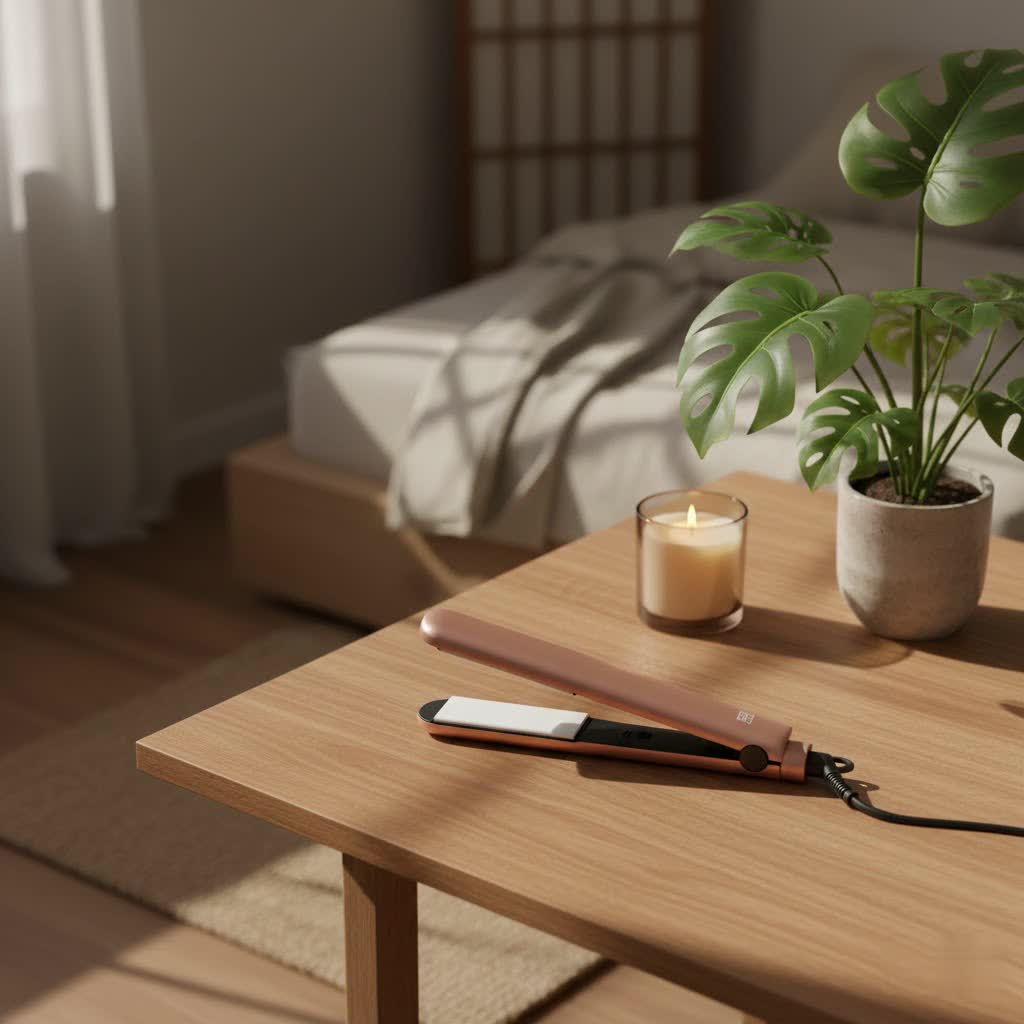
Hair straightening has evolved significantly, from rudimentary methods to sophisticated techniques aimed at preserving hair health. Initially, achieving straight hair often involved strong chemical relaxers or extremely hot irons that could cause considerable damage. Today, the concept of “natural hair straightening” encompasses a spectrum of approaches that prioritize the well-being of your tresses. This includes advanced heat styling tools, innovative heat-free methods, nourishing DIY masks, and professional chemical-free treatments.
Modern hair straightening, when approached “naturally,” focuses on maintaining the hair’s intrinsic structure and moisture. Tools and products designed for natural hair aim to distribute heat evenly, seal cuticles, and reduce frizz, leading to a smoother, shinier finish without excessive stress. The benefits extend beyond aesthetics; by choosing gentler methods, you can prevent breakage, maintain elasticity, and enjoy the versatility of straight styles while keeping your hair resilient and healthy. This mindful approach ensures that straightening becomes an enhancing part of your hair care regimen, not a detrimental one.
Types of Natural Hair Straightening Approaches for Your Needs
The “natural” path to straight hair isn’t one-size-fits-all. Different hair types and desired outcomes call for tailored approaches. Understanding your hair’s unique needs is the first step to selecting the most effective and least damaging method.
For Fine, Weak Hair
Fine or weak hair is particularly susceptible to heat damage and chemical stress. The best natural straightening methods for this hair type prioritize minimal intervention.
- Heat-Free Methods: Techniques like wet-setting with large rollers, hair wrapping, or banding can gently encourage straightness as the hair dries. These methods manipulate the hair’s natural bonds without heat, reducing frizz and adding natural body without compromising delicate strands.
- Gentle DIY Masks: Treatments like aloe vera gel and milk masks can offer light smoothing and conditioning. Aloe vera, rich in enzymes, can penetrate hair strands to hydrate and soften, while milk, with its proteins, helps to strengthen and smooth the cuticle. These masks provide nourishment while aiding in a subtle straightening effect.
|
Our Picks for the Best Hair Straightener in 2026
As an Amazon Associate I earn from qualifying purchases.
|
||
| Num | Product | Action |
|---|---|---|
| 1 | Remington 1" Flat Iron, Hair Straightener with Anti-Static Technology, Rapid 30-Second Heat-Up, 60-Minute Auto Shut-Off, 30% Longer Ceramic Floating Plates, and Titanium-Ceramic Coating |

|
| 2 | Hair Straightener Brush, TYMO Ring Hair Straightener Comb Straightening Brush for Women with 5 Temps 20s Fast Heating & Dual Voltage, Gold |
|
| 3 | Remington Shine Therapy 2 inch Hair Straightener, Flat Iron Infused with Argan Oil & Keratin, Professional Ceramic Flat Iron for Less Frizz, Shiny & Smooth Hot Styling Tools |
|
| 4 | TYMO Flat Iron Hair Straightener Brush 2 in 1, 200M Ions Hair Straighteners for Women, Ceramic Dual Voltage Straightening Hot Comb for Anti-Frizz Straights, Waves, Curls, 3X Less Heat Damage, Black |
|
| 5 | TYMO Hair Straightener Brush - Upgraded Ionic Compact Straightening Brush for Women with Wave-Design Bristles, Fast, Smooth Styling, Lightweight Hot Comb & Travel Flat Iron, 1 Billion Ions, Black |
|
| 6 | Hair Straightener 1 Inch Flat Iron and Curler 2 in 1 Titanium Ceramic Ionic Dual Voltage Straightener with Heat-Resistant Silicone, for Less Frizz, Shinier & Smoother |
|
| 7 | Cordless Hair Curling Iron Brush Rechargeable Battery-Powered, 3-in-1 Portable Hot Straightener Curling Comb 3 Temperature Settings with LCD Display |
|
| 8 | Speedy Corded Precision Hair Straightener Brush, GET Sleek Hair Literally in Minutes, LED Screen Display, Up to 430°F, Remambers Your Favorite Temp., Styled with Curved Root for Your Scalp Comfort. |
|
| 9 | Remington Shine Therapy 1 inch Hair Straightener Iron, Flat Iron Infused with Argan Oil & Keratin, Professional Ceramic Flat Iron for Less Frizz, Shines and Smooth, Styling Tools |
|
| 10 | Hair Straightener Brush, TYMO Ring Hair Straightener Comb Straightening Brush for Women with 5 Temps 20s Fast Heating & Dual Voltage, Black |
|
For Thick, Coarse Hair
Thick, coarse, or highly textured hair often requires more robust methods to achieve noticeable straightness, but the “natural” principle still applies—minimizing damage is key.
- Effective Heat-Free Methods: While more challenging, heat-free techniques like extensive hair wrapping or tension blow-drying with cold air can be effective.
- Advanced Heat Tools: When heat is necessary, select tools with titanium plates. Titanium heats up quickly and maintains a consistent, high temperature, making it efficient for thick hair, often requiring fewer passes and thus less overall heat exposure. Paired with a quality heat protectant, this can be a surprisingly gentle approach.
- Stronger DIY Masks: Combinations like coconut milk and lemon juice or banana and papaya masks can help to relax curls and add weight, contributing to a straighter appearance. Coconut milk is known for its deep conditioning and anti-frizz properties, while lemon juice can add shine.
- Chemical-Free Salon Treatments: For longer-lasting results without harsh chemicals, professional treatments like Nanoplasty or Magic Sleek are excellent options. These salon services are typically formaldehyde-free, often vegan, and can provide significant smoothing and straightening for up to several months without damaging the hair’s internal structure.
Mini, Travel-Friendly Options & Heat-Free Portability
For those on the go, portability and convenience are paramount.
- Compact Heat Tools: Mini flat irons with ceramic or tourmaline plates offer a practical solution for touch-ups. Ensure they still have adjustable temperature settings to avoid overheating.
- Heat-Free Portability: Heat-free methods like hair wrapping with a silk scarf or using soft foam rollers are ideal for travel. They require no electricity and can be done overnight, allowing you to wake up with smoothed hair. Carrying a good leave-in conditioner or smoothing serum can also facilitate on-the-go styling without heat.
Comparing Natural Hair Straightening Methods
Choosing the right natural hair straightening method depends on your hair type, desired outcome, and lifestyle. Here’s a comparative overview:
| Method Type | Effectiveness (on various hair types) | Damage Risk | Time Commitment (per session) | Cost (initial/ongoing) | Longevity (typical) |
|---|---|---|---|---|---|
| Gentle Heat Tools | High (especially for wavy to moderately curly) | Low (with proper use & heat protectant) | 20-60 minutes | Medium (tool price) | Until next wash |
| Heat-Free Methods | Medium (best for wavy to loose curls, frizz reduction) | Very Low (negligible) | 1-2 hours of drying, plus prep | Low (rollers, ties, product) | Until next wash |
| DIY Masks | Low to Medium (primarily for smoothing/frizz reduction) | Very Low (beneficial for hair health) | 1-3 hours (application + dwell) | Very Low (kitchen ingredients) | A few days (subtle effect) |
| Chemical-Free Salon Treatments | High (for all hair types, including very curly/coily) | Very Low (designed to be non-damaging) | 3-5 hours (salon service) | High (professional service fee) | 3-6 months |
Guide to Choosing Your Natural Hair Straightening Method
Selecting the ideal natural hair straightening approach involves a thoughtful assessment of your hair’s characteristics, your styling goals, and the properties of different tools and treatments.
Assess Your Hair Type & Goals
Begin by understanding your hair. Is it fine, medium, or thick? Is it prone to dryness, oiliness, or frizz? What is its natural curl pattern (wavy, loose curls, tight coils)?
Your goals also matter:
- Do you want pin-straight hair or simply smooth, frizz-free strands? For pin-straight results, especially on very curly hair, gentle heat tools or chemical-free salon treatments might be necessary. For smoothing and frizz control, heat-free methods and DIY masks can be highly effective.
- How often do you want to straighten your hair? Daily styling might require efficient heat tools with robust protective features, while occasional straightening might suit longer-lasting salon treatments.
Understanding Plate Materials (for heat tools)
If you opt for a heat tool, the plate material significantly impacts performance and hair health:
- Ceramic: Known for even heat distribution, ceramic plates prevent hot spots that can damage hair. They are generally gentle and suitable for most hair types, especially fine to medium.
- Tourmaline: Often infused into ceramic, tourmaline emits negative ions when heated. These ions help seal the hair cuticle, lock in moisture, and significantly reduce frizz, resulting in a smoother, shinier finish. Ideal for frizzy or dull hair.
- Titanium: Titanium plates heat up quickly and maintain consistent, high temperatures, making them highly efficient for thick, coarse, or resistant hair. They glide smoothly through hair, reducing snagging. While powerful, users should be mindful of temperature settings to avoid overuse.
Key Features for Damage-Free Styling
Beyond plate material, look for these features in heat tools:
- Adjustable Temperature Settings: Crucial for tailoring heat to your specific hair type. Fine hair needs lower temperatures (250-300°F), while thicker hair may require higher settings (350-400°F).
- Automatic Shut-off: A safety feature that turns off the device after a period of inactivity, preventing accidents and energy waste.
- Ionic Technology: Many modern straighteners incorporate ionic generators, which release negative ions to combat static and frizz, enhancing smoothness and shine.
- Floating Plates: These plates pivot slightly, ensuring even pressure on the hair and preventing snagging or creasing.
- Steam Options: Some advanced tools offer steam, which can hydrate hair during styling, reducing the need for extreme heat.
Brands and Budget for “Natural” Solutions
Investing in quality tools and products is a long-term investment in your hair’s health. While high-end brands often offer superior technology and durability, many mid-range options provide excellent features for natural hair straightening. Research brands known for their commitment to hair health, like those offering formaldehyde-free treatments or tools with advanced heat control. Balance your budget with the need for features that protect your hair, as cheaper tools often lack the gentle technologies necessary for natural hair.
Safe & Effective Use of Natural Hair Straighteners
No matter which method you choose, proper technique and consistent care are vital to achieving straight hair naturally without causing damage.
Preparation Before Straightening
- Clean Hair: Always start with clean, dry hair when using heat tools. For heat-free methods and masks, damp hair is usually preferred.
- Detangle Thoroughly: Gently comb through your hair to remove all knots and tangles. This prevents snagging and ensures even product distribution or smooth gliding of tools.
- Heat Protectant (for heat tools): This step is non-negotiable when using any form of heat. A quality heat protectant spray creates a barrier, shielding your hair from thermal damage and ensuring the heat is distributed more evenly.
Correct Technique for Heat Styling
- Temperature Control: Select the lowest effective temperature for your hair type. Fine or damaged hair requires lower heat, while thick, coarse hair may need slightly higher settings.
- Small Sections: Work with small, thin sections of hair (about 1-2 inches wide). This ensures that each strand receives even heat and reduces the need for multiple passes.
- One Pass, Slow Glide: Rather than multiple quick passes, use a single, slow, steady pass per section. This is more effective and less damaging.
- Maintain Motion: Keep the straightener moving. Lingering in one spot can cause severe heat damage.
Tips for Heat-Free Methods
- Damp, Not Wet: For rollers, wraps, or banding, your hair should be damp, not dripping wet. Excess water increases drying time and can lead to less effective results.
- Product Application: Use a smoothing leave-in conditioner or light styling cream to aid the straightening process and control frizz.
- Patience is Key: Heat-free methods require time for the hair to dry and set, often several hours or overnight.
Post-Straightening Care and Hair Health Maintenance
- Deep Conditioning: Regularly incorporate deep conditioning treatments or hair masks into your routine, especially if you use heat tools, to replenish moisture and nutrients.
- Moisture and Shine: Apply a light hair oil or serum to add shine and seal the cuticle after styling.
- Protective Styling: Between washes, use silk scarves or satin pillowcases to reduce friction and maintain straightness, extending the life of your style.
Cleaning and Storage (for heat tools)
- Clean Plates: Regularly wipe down straightener plates with a damp cloth (when cool and unplugged) to remove product buildup, which can cause uneven heating and damage.
- Proper Storage: Store your straightener in a heat-resistant pouch or a safe place where it won’t be damaged or pose a fire hazard.
Common Missteps in Natural Hair Straightening
Even with the best intentions, certain practices can undermine your efforts to straighten hair naturally and healthily. Awareness of these common mistakes can help you avoid unnecessary damage.
- Using Excessive Heat: The most frequent error is setting the temperature too high for your hair type. While high heat might seem to achieve faster results, it rapidly strips moisture, leading to breakage, split ends, and a dull appearance. Always start with the lowest effective temperature.
- Straightening Wet or Damp Hair with Heat Tools: Applying a hot iron to wet hair is akin to boiling it. The sudden conversion of water to steam within the hair shaft can cause severe internal damage, known as “bubble hair,” leaving strands brittle and susceptible to breaking. Ensure hair is completely dry before heat styling.
- Neglecting Heat Protectant: Skipping heat protectant is a direct pathway to damage. This product forms a protective barrier, distributing heat more evenly and reducing direct thermal stress on the hair cuticle. Think of it as sunscreen for your hair—essential.
- Over-processing with Chemical-Free Treatments: While salon treatments like Nanoplasty are gentler than traditional relaxers, frequent application without proper aftercare can still stress the hair. Adhere to the recommended intervals between treatments and follow salon guidelines for maintenance.
- Expecting Identical Results from All Methods: It’s unrealistic to expect pin-straight results from a DIY hair mask on very coily hair, or the same longevity from a heat-free method as a professional salon treatment. Set realistic expectations for each “natural” straightening approach based on your hair type and the method’s inherent capabilities.
- Insufficient Sectioning: Attempting to straighten large sections of hair with a heat tool means uneven heat distribution and requires multiple passes, ultimately leading to more damage. Similarly, for heat-free methods, proper sectioning ensures consistent results.
- Lack of Regular Deep Conditioning: Straightening, even with gentle methods, can still deplete hair’s moisture. Failing to replenish this moisture with regular deep conditioning treatments leaves hair dry, brittle, and prone to frizz, making future straightening more difficult and damaging.
Conclusion
Embracing natural hair straightening means making conscious choices that align with the health and vitality of your hair. From the innovative design of modern heat tools that protect against thermal stress, to the nourishing power of DIY masks, and the long-lasting, chemical-free results of professional treatments, a wealth of options exists to help you achieve sleek, straight locks without compromise. By understanding your hair type, choosing appropriate methods, practicing safe techniques, and nurturing your strands with consistent care, you can enjoy the elegance of straight hair while maintaining its natural strength and luster.
What “natural” straightening method will you incorporate into your hair care routine to achieve your dream style?
Frequently Asked Questions
Can I achieve permanently straight hair naturally at home?
True permanent hair straightening usually involves chemical processes that alter the hair’s structure. At-home “natural” methods like DIY masks or heat-free techniques can significantly smooth hair and reduce frizz, making it appear straighter, but they do not permanently change the curl pattern. For longer-lasting, non-damaging straightening, chemical-free salon treatments are typically required.
What are the best DIY ingredients for naturally straightening hair?
Popular DIY ingredients for smoothing and subtly straightening hair include coconut milk and lemon juice, which can help relax curls and add shine. Masks made with eggs and olive oil provide protein and moisture, while banana and papaya pastes can help soften and loosen hair texture. Aloe vera is also excellent for hydration and frizz control, contributing to a smoother look.
Is it possible to straighten very curly hair without heat?
While challenging, it is possible to achieve a straightened appearance on very curly hair without heat, though results may not be pin-straight. Methods like extensive hair wrapping, banding, or wet-setting with large rollers can stretch and smooth curls as they air dry. Using heavy smoothing creams and patience is key, but these methods are generally more effective for wavy to moderately curly hair.
How often can I use a heat straightener on natural hair without causing damage?
With proper technique, including using a heat protectant and the lowest effective temperature, you can safely use a heat straightener on natural hair about once a week. Frequent use (daily or every other day) can still lead to cumulative damage over time, even with protective measures. Prioritize deep conditioning and give your hair breaks from heat styling whenever possible.
Are chemical-free salon straightening treatments truly safe for all hair types?
Yes, professional chemical-free treatments like Nanoplasty or Magic Sleek are specifically formulated to be safe for all hair types, including color-treated or damaged hair. They utilize organic acids and plant-based ingredients instead of harsh chemicals like formaldehyde, which are associated with damage and health risks. These treatments are often suitable even for pregnant or breastfeeding individuals, offering a healthier alternative for lasting straightness.
