Have you ever struggled to perfect your bangs, tame flyaways on the go, or wished for a styling tool that fits perfectly into your travel bag? Traditional full-sized hair straighteners can often feel cumbersome, especially when dealing with delicate sections or trying to pack light. Enter the mini hair straightener—a compact yet powerful styling companion designed to address these very challenges. This comprehensive guide will delve into everything you need to know about these pint-sized wonders, from their benefits and features to choosing the right one for your hair type and using it like a pro.
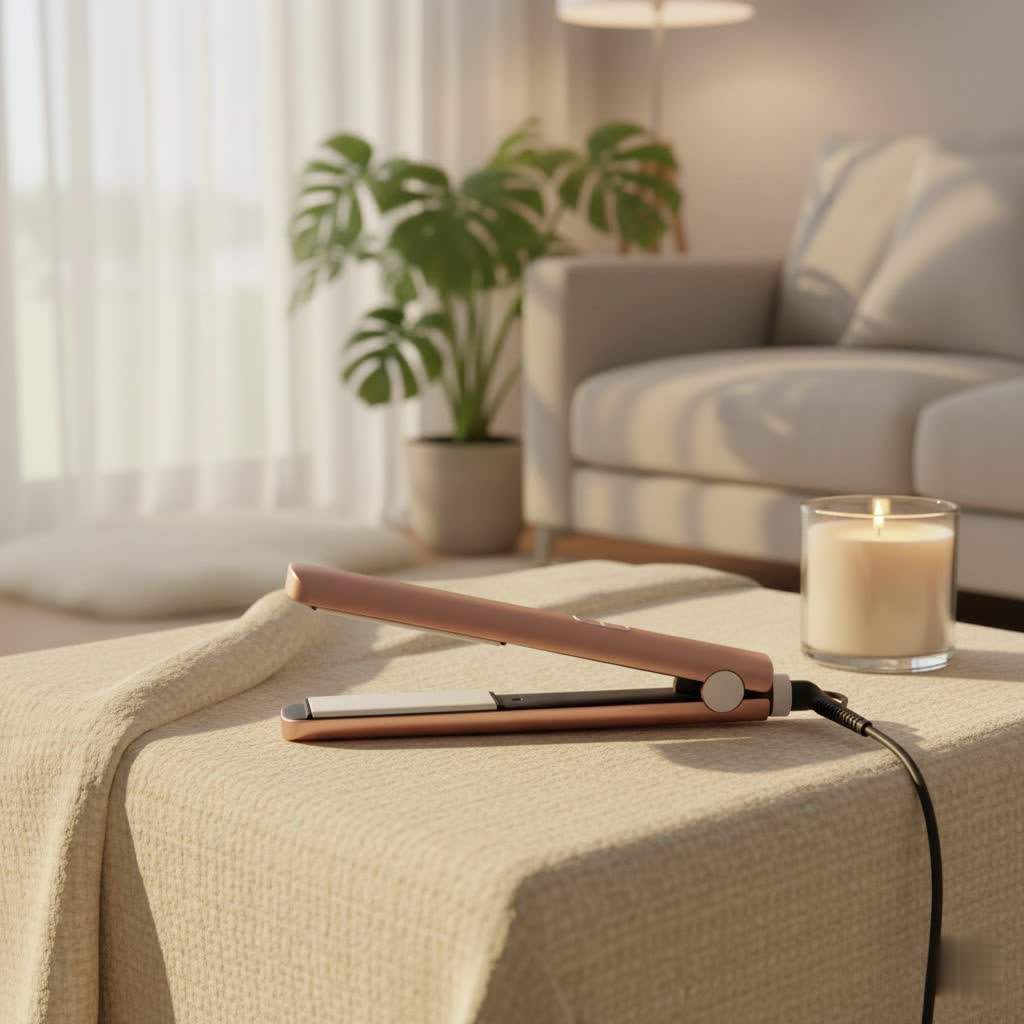
Mini Hair Straighteners: Overview and Benefits
Mini hair straighteners, often referred to as travel flat irons or compact stylers, are essentially smaller versions of their full-sized counterparts. While the fundamental principle remains the same—using heated plates to smooth and straighten hair—mini straighteners excel in portability and precision. Their evolution reflects a growing demand for versatile tools that cater to modern, on-the-go lifestyles and specific styling needs.
Historically, hair straightening tools have come a long way from hot combs and rudimentary irons. The advent of ceramic, tourmaline, and titanium plates revolutionized hair styling, offering better heat distribution and reduced damage. Mini straighteners emerged as a natural progression, focusing on miniaturization without compromising performance, allowing for quick touch-ups and detailed styling wherever you are.
The primary benefits of incorporating a mini hair straightener into your beauty arsenal include:
- Quick Styling: Many mini straighteners heat up rapidly, allowing for swift styling sessions, perfect for busy mornings or last-minute touch-ups.
- Enhanced Portability: Their compact size and lightweight design make them ideal for travel, fitting easily into purses, gym bags, or carry-on luggage. Many also feature dual voltage for international use.
- Precision and Detail: The narrower plates are excellent for targeting small sections of hair, such as bangs, short layers, roots, edges, or for creating intricate styles that larger irons can’t manage.
- Reduced Damage (with proper use): When equipped with quality plates and precise temperature control, mini straighteners can minimize the need for multiple passes, reducing heat exposure and potential damage.
Classifying Mini Hair Straighteners by Need
Choosing the right mini hair straightener depends heavily on your specific hair type and styling requirements. While their small size makes them versatile, certain features are more beneficial for different hair textures.
Mini Hair Straighteners for Fine, Weak Hair
If you have fine, thin, or chemically treated hair, protecting it from excessive heat is paramount. Look for mini straighteners that offer:
- Adjustable Temperature Settings: This is crucial. Opt for models that allow you to set lower temperatures (e.g., 140-160°C or 280-320°F) to prevent damage.
- Ceramic or Tourmaline Plates: These materials provide gentle, even heat distribution and often emit negative ions to reduce frizz and add shine without over-drying.
- Fast Heat-up and Recovery: Quick heating means less waiting, and stable temperature prevents inconsistent heat spots that can damage delicate strands.
|
Our Picks for the Best Hair Straightener in 2026
As an Amazon Associate I earn from qualifying purchases.
|
||
| Num | Product | Action |
|---|---|---|
| 1 | TYMO Flat Iron Hair Straightener Brush 2 in 1, 200M Ions Hair Straighteners for Women, Ceramic Dual Voltage Straightening Hot Comb for Anti-Frizz Straights, Waves, Curls, 3X Less Heat Damage, Black |

|
| 2 | TYMO Hair Straightener Brush - Upgraded Ionic Compact Straightening Brush for Women with Wave-Design Bristles, Fast, Smooth Styling, Lightweight Hot Comb & Travel Flat Iron, 1 Billion Ions, Black |
|
| 3 | Remington Shine Therapy 1 inch Hair Straightener Iron, Flat Iron Infused with Argan Oil & Keratin, Professional Ceramic Flat Iron for Less Frizz, Shines and Smooth, Styling Tools |
|
| 4 | Hair Straightener 1 Inch Flat Iron and Curler 2 in 1 Titanium Ceramic Ionic Dual Voltage Straightener with Heat-Resistant Silicone, for Less Frizz, Shinier & Smoother |
|
| 5 | Remington Shine Therapy 2 inch Hair Straightener, Flat Iron Infused with Argan Oil & Keratin, Professional Ceramic Flat Iron for Less Frizz, Shiny & Smooth Hot Styling Tools |
|
| 6 | Cordless Hair Curling Iron Brush Rechargeable Battery-Powered, 3-in-1 Portable Hot Straightener Curling Comb 3 Temperature Settings with LCD Display |
|
| 7 | Hair Straightener Brush, TYMO Ring Hair Straightener Comb Straightening Brush for Women with 5 Temps 20s Fast Heating & Dual Voltage, Gold |
|
| 8 | Remington 1" Flat Iron, Hair Straightener with Anti-Static Technology, Rapid 30-Second Heat-Up, 60-Minute Auto Shut-Off, 30% Longer Ceramic Floating Plates, and Titanium-Ceramic Coating |
|
| 9 | Hair Straightener Brush, TYMO Ring Hair Straightener Comb Straightening Brush for Women with 5 Temps 20s Fast Heating & Dual Voltage, Black |
|
| 10 | Speedy Corded Precision Hair Straightener Brush, GET Sleek Hair Literally in Minutes, LED Screen Display, Up to 430°F, Remambers Your Favorite Temp., Styled with Curved Root for Your Scalp Comfort. |
|
Products suitable for fine hair often prioritize gentler heat and even distribution to prevent breakage and maintain hair health.
Mini Hair Straighteners for Thick, Coarse Hair
For those with thick, coarse, or very curly hair, a mini straightener still needs to deliver sufficient heat and power to be effective. Consider features like:
- Higher Temperature Range: While adjustable settings are still ideal, ensure the straightener can reach higher temperatures (e.g., 190-220°C or 375-430°F) for efficient styling.
- Titanium or Ceramic-Titanium Plates: Titanium heats up faster and provides excellent heat transfer, often making styling quicker for denser hair, requiring fewer passes.
- Stronger Grip and Plate Pressure: Look for models with plates that clamp firmly, ensuring good contact with thicker sections.
- Slightly Wider Mini Plates: While still compact, some mini straighteners might offer slightly wider plates within the mini range, which can be marginally more efficient for thicker hair.
Even with narrow plates, taking smaller sections of hair will yield better results for thick hair.
Mini Hair Straighteners for Travel and On-the-Go Use
The essence of a mini straightener is its portability. For travel, prioritize:
- Compact and Lightweight Design: The smaller and lighter, the better for packing.
- Dual Voltage Capability: Absolutely essential for international travel, allowing you to use the straightener safely with different power outlets (100V-240V).
- Cordless Options (Battery-Powered): For ultimate freedom and convenience, especially for quick touch-ups in the car or at an event.
- Protective Heat Cover or Pouch: To safely store the hot tool immediately after use.
- Fast Heat-up: Quick readiness is a blessing when you’re in a hurry.
While performance is key, convenience and safety features tailored for portability are crucial when selecting a travel mini straightener.
Essential Buying Guide: How to Choose Your Perfect Mini Hair Straightener
Selecting the right mini hair straightener can be a delightful journey when you know what to look for. Consider these critical factors to ensure your choice perfectly matches your styling needs and hair type.
1. Identify Your Hair Type and Styling Needs
Before diving into specifications, understand your hair. Do you have:
- Fine, thin, or damaged hair? You’ll need lower, adjustable heat settings and gentler plate materials.
- Thick, coarse, or curly hair? You’ll benefit from higher heat capabilities and efficient plate materials.
- Color-treated hair? Temperature control and ionic features are key to preserving color and health.
- Specific styling goals? Are you mostly doing bangs, touch-ups, or entire (short-to-medium length) hair styling?
Your answers will guide your choices in plate material, temperature, and additional features.
2. Plate Material Matters
The material of the heating plates directly impacts heat distribution, hair health, and styling efficiency.
- Ceramic:
- Pros: Distributes heat evenly, reducing hot spots. Gentle on hair, helps reduce frizz and add shine. Ideal for fine, delicate, or color-treated hair.
- Cons: Can chip over time, exposing rougher surfaces. Slower to heat up than titanium.
- Tourmaline:
- Pros: A gemstone coating often layered over ceramic plates. Emits negative ions, further reducing frizz, sealing the cuticle, and enhancing shine. Very smooth glide.
- Cons: Often pricier than pure ceramic.
- Titanium:
- Pros: Heats up very quickly and maintains high, consistent temperatures. Durable and lightweight. Excellent for thick, coarse, or difficult-to-straighten hair.
- Cons: Can be too intense for fine or damaged hair if not used carefully with temperature control.
Many high-quality mini straighteners feature ceramic plates infused with tourmaline or coated with titanium to combine the benefits of even heating, frizz reduction, and durability.
3. Key Features to Look For
Beyond plate material, several features enhance usability, safety, and performance:
- Adjustable Temperature Control: This is perhaps the most vital feature, allowing you to tailor the heat to your hair type, preventing unnecessary damage. Look for a range that suits your needs, with clear display options.
- Fast Heat-up Time: Especially important for quick touch-ups or when you’re in a hurry. Many good models heat up within 30-60 seconds.
- Dual Voltage: Non-negotiable for international travelers, ensuring the straightener works worldwide (typically 100V-240V).
- Automatic Shut-off: A critical safety feature that turns off the device after a period of inactivity, preventing accidents.
- Cool-Touch Casing: Ensures the exterior of the straightener remains safe to handle, even when the plates are hot.
- Ionic Technology: Reduces static electricity, smooths the hair cuticle, and enhances shine by releasing negative ions. Often found with ceramic and tourmaline plates.
- Swivel Cord: A 360-degree swivel cord prevents tangling and offers greater flexibility during styling.
- Plate Size: Mini straighteners typically have narrow plates (around 0.5 to 1 inch), which is perfect for precision.
4. Brand Reputation and Price
- Reputable Brands: Brands like GHD, CHI, BaBylissPRO, and Hot Tools are well-regarded for their quality and durability in the hair tool industry. While mini versions might come from a broader range of brands, sticking with known names often ensures better performance and safety.
- Price Point: Mini hair straighteners vary widely in price. While you can find very affordable options, investing a bit more in a model with quality plate materials and essential features like temperature control and dual voltage can significantly improve your experience and protect your hair in the long run. Don’t compromise on safety and hair health for a minimal saving.
How to Use Your Mini Hair Straightener Safely and Effectively
Using a mini hair straightener correctly not only gives you the best results but also protects your hair from heat damage.
Preparation is Key
- Start with Dry Hair: Always ensure your hair is completely dry before using a straightener. Using it on wet hair can cause severe damage, sizzling, and breakage.
- Apply Heat Protectant: This is a non-negotiable step. Spray a good quality heat protectant evenly through your hair to create a barrier against high temperatures.
- Detangle Thoroughly: Brush your hair to remove any knots or tangles. This ensures a smooth glide and prevents snagging.
- Section Your Hair: Even with a mini straightener, working in small sections is crucial for even heat distribution and effective styling. Clip up the top layers of your hair and start from the bottom. For a mini straightener, aim for sections no wider than the plates, typically about half an inch.
Mastering the Technique
- Set the Right Temperature: Choose a temperature appropriate for your hair type (lower for fine/damaged, higher for thick/coarse). If your mini straightener has adjustable settings, experiment to find the lowest effective temperature.
- Take Small Sections: Hold a small section of hair taut.
- Place the Straightener: Clamp the straightener near the roots of the section, ensuring the hair is evenly distributed between the plates. Avoid pressing too hard, just enough to grip the hair.
- Glide Slowly and Steadily: With a single, smooth motion, glide the straightener down the length of the hair section, from root to tip. Avoid stopping or lingering in one spot, as this can cause heat damage. A 3-second pass is generally a good guideline.
- Repeat if Necessary: If one pass isn’t enough, allow the section to cool completely before making a second pass. This minimizes heat exposure.
- Style with Precision: For bangs, gently curve the straightener slightly inward. For small curls or waves, twist the straightener as you glide. The narrow plates offer excellent control for detailed styling.
- Finish with a Serum (Optional): Once your hair is styled, a light finishing serum can add shine and further reduce frizz.
Cleaning and Storage
- Unplug and Cool: Always unplug your straightener and allow it to cool completely before cleaning or storing.
- Wipe Plates Clean: Use a damp microfiber cloth to gently wipe residue (product buildup, natural oils) off the plates. For stubborn buildup, some straighteners come with a small cleaning brush.
- Store Safely: Store your mini straightener in a heat-resistant pouch or a safe, dry place where it won’t be damaged or accidentally turned on.
Common Mistakes to Avoid When Using a Mini Hair Straightener
Even experienced stylists can sometimes fall into common traps when using hot tools. Being aware of these pitfalls can significantly improve your hair health and styling results.
- Using Too High a Temperature: One of the most frequent mistakes is blasting your hair with excessive heat. This can lead to brittleness, split ends, and overall dullness. Always start with the lowest effective temperature and increase gradually if needed.
- Straightening Wet or Damp Hair: Never use a hot straightener on wet hair. The sudden high heat on water-laden strands can cause the water to boil, creating steam and leading to “bubble hair” or severe internal damage to the hair shaft.
- Skipping Heat Protectant: Heat protectant acts as a crucial barrier, shielding your hair from direct heat exposure. Without it, your hair is much more susceptible to damage, dryness, and breakage.
- Straightening Too Frequently: While mini straighteners offer convenience, daily use of any heat tool can stress your hair. Try to limit heat styling when possible, and incorporate deep conditioning treatments into your routine.
- Taking Sections Too Large: Mini straighteners are designed for precision. Trying to straighten large sections means inconsistent heat distribution and often requires multiple passes, increasing heat exposure. Stick to small, manageable sections.
- Pausing or Lingering: Holding the straightener in one spot for too long creates an intense hot spot that can burn your hair. Maintain a steady, fluid motion from roots to ends.
- Not Cleaning Your Straightener: Product buildup, oils, and dirt can accumulate on the plates, leading to uneven heat distribution and potentially pulling or snagging your hair. Regular cleaning keeps your tool performing optimally.
Conclusion
Mini hair straighteners are far more than just travel gadgets; they are versatile, precise, and indispensable tools for anyone seeking effortless styling, whether at home or on the go. By understanding your hair type, choosing a model with the right plate material and essential features like adjustable temperature and dual voltage, and mastering proper usage techniques, you can achieve salon-quality results while safeguarding your hair’s health.
Embrace the convenience and precision of a mini hair straightener, and discover how this compact powerhouse can transform your daily styling routine. What specific hair challenges do you hope a mini straightener will help you conquer?
Frequently Asked Questions
Can a mini hair straightener effectively straighten thick, curly hair?
Yes, a mini hair straightener can be effective for thick, curly hair, but it requires taking very small sections and potentially using a higher, yet still safe, temperature setting. Look for models with titanium or ceramic-titanium plates for efficient heat transfer.
Are mini hair straighteners safe for daily use?
While mini straighteners can be gentler due to precise control, daily heat styling always carries a risk. It’s crucial to use a heat protectant, the lowest effective temperature, and ensure your hair is completely dry to minimize potential damage.
How do I choose a mini straightener for international travel?
For international travel, prioritize a mini hair straightener with dual voltage capability (100V-240V). This ensures it will work safely in different countries without requiring a voltage converter, only a plug adapter.
What’s the best plate material for fine, delicate hair in a mini straightener?
For fine or delicate hair, ceramic or tourmaline plates are generally recommended. They provide even heat distribution and emit negative ions to reduce frizz and add shine, which is gentler on fragile strands.
Can mini straighteners also be used to curl hair?
Yes, many mini hair straighteners, especially those with rounded edges, can be used to create small curls, waves, or add texture, similar to a full-sized flat iron but with more precision for tighter styles.
