Are you constantly battling frizz, striving for perfectly straight locks, but dreading the time-consuming process of blow-drying then flat-ironing? The promise of a tool that dries and straightens simultaneously might sound like a dream for busy mornings, offering the allure of sleek hair with less effort. Modern wet hair straighteners, specifically designed for damp hair, aim to deliver just that. However, understanding their technology and using them correctly is crucial to achieve salon-worthy results without compromising your hair’s health.
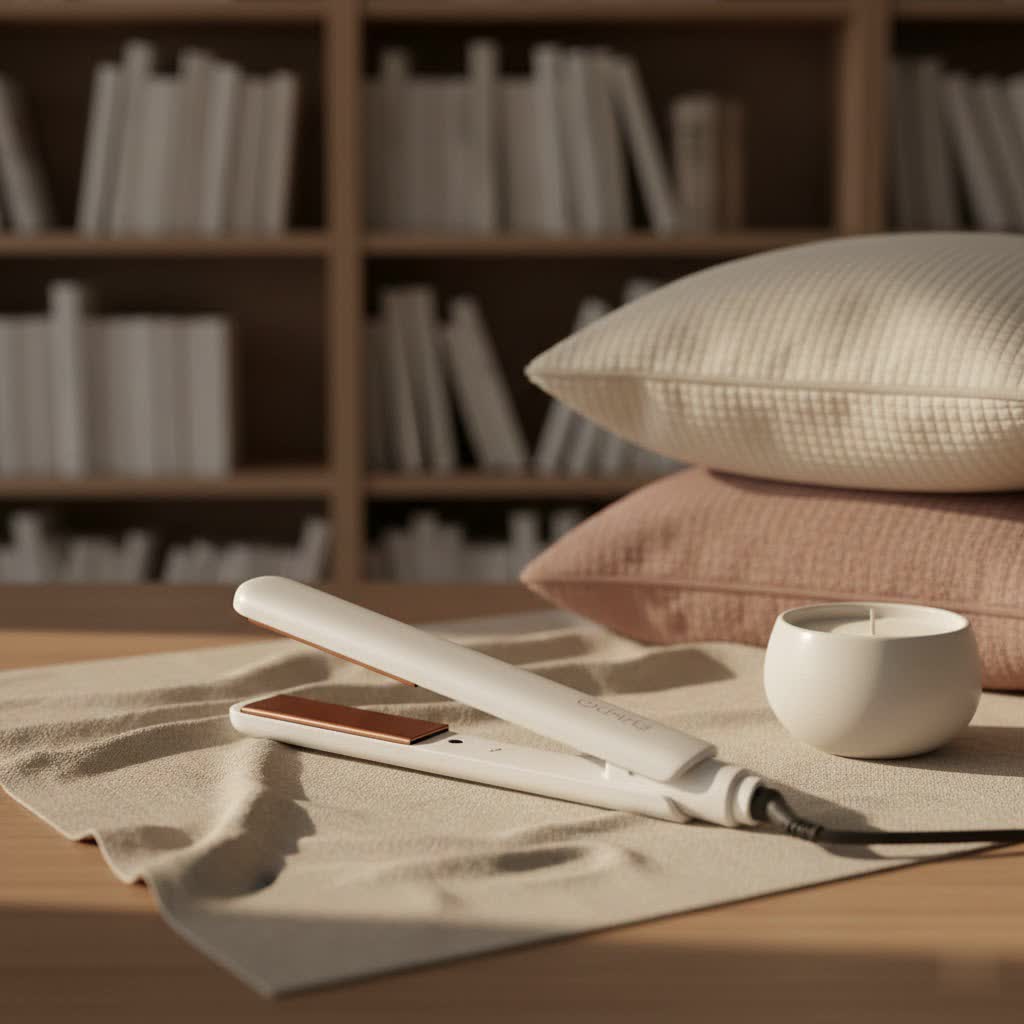
Wet Hair Straighteners: Overview and Benefits
Traditional flat irons are explicitly designed for dry hair, and using them on wet strands can cause significant damage, leading to sizzling sounds, steam clouds, and ultimately, fried, brittle hair. This is because the intense heat causes water inside the hair shaft to boil and expand rapidly, creating microscopic damage.
Enter the wet hair straightener, also known as a wet-to-dry straightener. These innovative styling tools combine the functions of a hair dryer and a straightener. They feature specialized vents and advanced airflow technology that allow steam to escape while gently drying and straightening your hair. This dual action is a significant leap forward from older, damaging “wet-to-dry” models.
The primary mechanism involves channeling concentrated airflow through drying chambers, often combined with low-temperature styling plates, to dry and straighten hair simultaneously. Brands like GHD and Dyson have pioneered this category with sophisticated “Air-fusion technology” and high-velocity air blades, respectively.
Key Benefits of Modern Wet Hair Straighteners:
- Time-Saving Efficiency: By combining two steps into one, these tools dramatically cut down styling time, making them ideal for quick routines.
- Reduced Heat Exposure: Compared to using a blow dryer followed by a traditional flat iron, modern wet-to-dry straighteners often expose hair to less overall heat or more controlled temperatures, minimizing potential damage.
- Frizz Control: Many models incorporate ionic technology and anti-frizz micro-conditioners, helping to smooth the hair cuticle and achieve a sleek, frizz-free finish.
- Enhanced Shine: The controlled drying and straightening process can leave hair looking smoother and shinier.
Navigating Wet Hair Straighteners for Your Hair Needs
Choosing the right wet hair straightener depends heavily on your specific hair type and styling aspirations. Not all tools are created equal, and understanding which features cater to your unique needs is essential.
For Fine, Thin, or Damaged Hair
If your hair is fine, prone to breakage, or chemically treated, gentleness is paramount. Look for wet hair straighteners that offer:
- Precise Temperature Control: The ability to select lower heat settings is crucial to prevent further damage.
- Gentle Airflow Systems: Tools that prioritize powerful yet gentle airflow over high plate temperatures are preferable. The GHD Duet Style, for example, is noted for its ability to treat hair with gentleness by using an airflow of 150°C and a low plate temperature of 120°C, helping to preserve hair strength and natural shine.
|
Our Picks for the Best Hair Straightener in 2026
As an Amazon Associate I earn from qualifying purchases.
|
||
| Num | Product | Action |
|---|---|---|
| 1 | Hair Straightener Brush, TYMO Ring Hair Straightener Comb Straightening Brush for Women with 5 Temps 20s Fast Heating & Dual Voltage, Gold |

|
| 2 | Hair Straightener Brush, TYMO Ring Hair Straightener Comb Straightening Brush for Women with 5 Temps 20s Fast Heating & Dual Voltage, Black |
|
| 3 | Remington Shine Therapy 1 inch Hair Straightener Iron, Flat Iron Infused with Argan Oil & Keratin, Professional Ceramic Flat Iron for Less Frizz, Shines and Smooth, Styling Tools |
|
| 4 | Hair Straightener 1 Inch Flat Iron and Curler 2 in 1 Titanium Ceramic Ionic Dual Voltage Straightener with Heat-Resistant Silicone, for Less Frizz, Shinier & Smoother |
|
| 5 | TYMO Hair Straightener Brush - Upgraded Ionic Compact Straightening Brush for Women with Wave-Design Bristles, Fast, Smooth Styling, Lightweight Hot Comb & Travel Flat Iron, 1 Billion Ions, Black |
|
| 6 | Cordless Hair Curling Iron Brush Rechargeable Battery-Powered, 3-in-1 Portable Hot Straightener Curling Comb 3 Temperature Settings with LCD Display |
|
| 7 | TYMO Flat Iron Hair Straightener Brush 2 in 1, 200M Ions Hair Straighteners for Women, Ceramic Dual Voltage Straightening Hot Comb for Anti-Frizz Straights, Waves, Curls, 3X Less Heat Damage, Black |
|
| 8 | Remington 1" Flat Iron, Hair Straightener with Anti-Static Technology, Rapid 30-Second Heat-Up, 60-Minute Auto Shut-Off, 30% Longer Ceramic Floating Plates, and Titanium-Ceramic Coating |
|
| 9 | Remington Shine Therapy 2 inch Hair Straightener, Flat Iron Infused with Argan Oil & Keratin, Professional Ceramic Flat Iron for Less Frizz, Shiny & Smooth Hot Styling Tools |
|
| 10 | Speedy Corded Precision Hair Straightener Brush, GET Sleek Hair Literally in Minutes, LED Screen Display, Up to 430°F, Remambers Your Favorite Temp., Styled with Curved Root for Your Scalp Comfort. |
|
For Thick, Coarse, or Curly Hair
Thicker, coarser, or naturally curly hair often requires more power and heat to achieve smooth, straight results. For these hair types, consider tools with:
- Robust Airflow and Heating: Look for straighteners designed with higher power to efficiently dry and straighten dense hair.
- Wider Plates: Tools with slightly wider plates can cover more hair in each pass, reducing styling time for voluminous hair. The Dyson Airstrait, with its high-velocity air blades, is often reviewed positively for managing thick, frizzy, curly hair, transforming it into super smooth and straight styles quickly.
For On-the-Go and Travel
The dual-functionality of wet hair straighteners makes them appealing for travel, as they reduce the number of tools you need to pack.
- Compact Design: While some models can be bulkier than traditional straighteners due to their integrated drying mechanisms, mini or travel-sized versions may be available.
- Universal Voltage: Check for universal voltage compatibility, especially if you plan to travel internationally, as some premium models like the Dyson Airstrait lack this feature.
Comparing Popular Wet Hair Straightener Technologies
The market for wet hair straighteners is evolving, with a few brands leading the charge with distinct technologies. Here’s a comparison of some notable options:
| Feature/Product | GHD Duet Style | Dyson Airstrait | Remington Wet2Straight Flat Iron | Shark FlexFusion |
|---|---|---|---|---|
| Technology | Air-fusion technology (airflow + low-temp plates) | Precise directional airflow (air blades) | Advanced Wet2Straight Technology (vents) | Airflow + heated plates (with smoothing attachment) |
| Key Features | Dries & straightens, Shine Shot mode, infinity sensors | Wet & Dry modes, 3 temp settings (80-140°C), cool mode, auto-off | Steam vents, ceramic-coated plates, anti-frizz micro-conditioners, 10 digital temp settings | Wet-to-dry mode, smoothing attachment, 110°C max temp |
| Pros | Minimal heat damage, sleek/shiny finish, easy to use, preserves hair strength | Efficient drying/straightening, less breakage, protects shine, versatile modes | Saves time, less heat damage (vs. regular iron on wet hair), affordable | Retains body and fullness, effective smoothing |
| Cons | Investment cost | Investment cost, large plug, no universal voltage, may struggle with extremely curly/coarse hair | Some sources suggest potential for damage with frequent use | Requires specific holding technique for optimal airflow |
| Target Hair Type | All hair types, especially thick, frizzy, curly | All hair types, excels on thick, frizzy, curly hair | All hair types | Wavy, curly, fine hair that desires volume |
| Price Range (USD) | Premium ($399+) | Premium ($499+) | Mid-range ($40-$70) | Premium ($300-$400 for system) |
Your Essential Buying Guide for Wet Hair Straighteners
Choosing the perfect wet hair straightener involves more than just picking a popular brand. Consider these factors to ensure you make an informed decision that suits your hair and lifestyle.
Understanding Your Hair Type and Styling Goals
Before you buy, honestly assess your hair:
- Hair Type: Is it fine, medium, thick, coarse, curly, wavy, or color-treated? Different hair types react differently to heat and styling.
- Current Condition: Is your hair prone to damage, split ends, or dryness?
- Styling Needs: Do you want poker-straight hair, gentle waves, or simply to smooth frizz? How quickly do you need to style your hair each day?
For example, if you have very thick, curly hair and prioritize speed and maximum smoothness, a high-powered airflow model might be ideal. If your hair is fine or easily damaged, a tool with precise, lower temperature control is essential.
Plate Technology and Design
While the “plates” in modern wet-to-dry straighteners are often integrated with airflow, understanding the materials and design is still relevant:
- Ceramic: Known for even heat distribution, ceramic plates or coatings help reduce hot spots and minimize damage. Many wet-to-dry straighteners use ceramic for a smooth glide and consistent results.
- Tourmaline: Often infused with ceramic, tourmaline produces negative ions, which help seal the hair cuticle, lock in moisture, and reduce frizz, leading to shinier, healthier-looking hair.
- Titanium: Offers quick heat-up and high, consistent heat, making it effective for very thick or coarse hair. However, with wet-to-dry tools, the emphasis is more on controlled airflow than extreme plate heat.
- Vents and Air Blades: These are crucial for wet-to-dry functionality, allowing steam to escape and directing airflow to dry hair effectively while straightening. Look for well-designed systems that prevent water from boiling on the plates.
Must-Have Features for Optimal Results
Modern wet hair straighteners come with a range of features that can enhance performance and safety:
- Adjustable Temperature Settings: This is vital for customizing heat to your hair type, preventing unnecessary damage. Lower temperatures are always safer for fine or damaged hair.
- Automatic Shut-Off: A safety feature that turns off the device after a period of inactivity, giving you peace of mind.
- Ionic Technology: Helps reduce static and frizz, leaving hair smoother and shinier.
- Moisture Sensors: Some advanced tools can detect your hair’s moisture levels and adjust heat accordingly for optimal protection.
- Cool Shot Mode: A blast of cool air to set your style and add shine.
Brand Reputation and Investment
Investing in a reputable brand often means better technology, higher quality materials, and more reliable safety features.
- Established Brands: Companies like GHD, Dyson, Remington, and Shark have invested heavily in R&D to create safer, more effective wet-to-dry stylers.
- Price vs. Features: While premium models come with a higher price tag, they often offer superior performance, advanced technology, and better hair protection. Balance your budget with the features and quality you need for healthy hair.
Safe and Effective Wet Hair Straightener Usage
Even with advanced wet-to-dry technology, proper technique is key to protecting your hair and achieving the best results.
Preparation Before Styling
- Towel Dry Thoroughly: Your hair should be damp, not dripping wet. Gently squeeze out excess water with a microfiber towel.
- Apply Heat Protectant: This step is non-negotiable. A good heat protectant forms a barrier between your hair and the heat, minimizing damage. Choose one designed for damp hair.
- Detangle: Gently comb through your hair with a wide-tooth comb to remove any tangles before applying heat.
Styling Technique
- Work in Small Sections: This ensures even drying and straightening and prevents you from going over the same section multiple times.
- Glide Slowly and Steadily: Move the straightener from roots to tips at a consistent pace. Allow the steam vents to release excess moisture as you go. Think of it like ironing delicate fabric – steady movements for the best results.
- Allow Steam to Escape: Do not clamp the straightener down too tightly or hold it in one spot for too long, as this can trap steam and cause damage. The vents are there for a reason!
Post-Styling Care
- Finish with a Serum or Oil: Once your hair is dry and straightened, a small amount of hair oil or serum can add shine and tame any lingering flyaways.
Cleaning and Storage
- Regular Cleaning: Ensure the plates and vents are free of product buildup by cleaning them with a damp cloth after the tool has cooled.
- Proper Storage: Store your straightener in a heat-resistant pouch or a safe, dry place to protect it from damage.
Common Pitfalls to Avoid with Wet Hair Straighteners
While modern wet hair straighteners are much safer than their predecessors, misuse can still lead to damage. Be aware of these common mistakes:
- Using on Soaking Wet Hair: Even wet-to-dry straighteners are most effective and safest when hair is damp, not dripping. Too much water means the tool has to work harder, increasing heat exposure.
- Setting the Temperature Too High: Always start with the lowest effective temperature for your hair type. Gradually increase if needed, but avoid excessive heat, especially for fine or damaged hair.
- Skipping Heat Protectant: This fundamental step is often overlooked but provides a crucial layer of defense against heat damage.
- Excessive Passes or Holding Too Long: Repeated passes over the same section or holding the straightener stationary for too long concentrates heat, leading to damage.
- Using a Regular Straightener on Wet Hair: This is the most critical mistake. Standard flat irons are not designed to handle wet hair and will cause severe, irreversible damage. If you hear sizzling or see excessive steam, stop immediately.
> “Hair is weakest when it’s wet, and high heat from a straightener can turn the water in the hair into steam, leading to hair breakage and damage to the cuticle.” – Rocco, Dove Partner and Celebrity Stylist.
Conclusion
The evolution of the wet hair straightener has transformed it from a potentially damaging tool into a sophisticated styling solution for those seeking efficiency without excessive harm. By understanding the technology, choosing a reputable product tailored to your hair type, and adhering to proper usage techniques, you can enjoy the benefits of streamlined styling. Modern wet-to-dry straighteners offer the convenience of combining drying and straightening, reducing overall heat exposure compared to a two-step process, and delivering sleek, frizz-free results. Make an informed choice, prioritize your hair’s health, and embrace the ease of achieving your desired style.
What are your experiences with wet hair straighteners, and which features do you find most essential for your styling routine?
Frequently Asked Questions
Can I use a regular straightener on wet hair?
Absolutely not. Using a regular flat iron on wet or even damp hair is one of the most damaging things you can do. It causes the water inside your hair to boil rapidly, leading to bubbles within the hair shaft, which severely weakens the hair structure, resulting in breakage, frizz, and irreversible damage.
How damp should my hair be for a wet-to-dry straightener?
For optimal results and minimal damage, your hair should be towel-dried until it is damp, not dripping wet. The goal is to remove excess water so the straightener can efficiently dry and style without over-processing or boiling the strands.
Do wet-to-dry straighteners cause less damage than traditional styling?
Modern wet-to-dry straighteners are designed to minimize damage compared to using a blow dryer and then a traditional flat iron separately. They typically use controlled temperatures and airflow to dry and straighten simultaneously, reducing the total heat exposure your hair experiences. However, using a heat protectant and proper technique is still crucial.
How often can I use a wet-to-dry straightener?
While designed for wet hair, frequent daily use of any heat styling tool can still stress your hair. It’s advisable to use wet-to-dry straighteners on a less frequent basis, allowing your hair time to recover and maintain its natural moisture and strength. Always assess your hair’s health and adjust frequency accordingly.
What kind of heat protectant should I use with a wet-to-dry straightener?
Choose a heat protectant specifically formulated for damp or wet hair, as it will distribute more effectively and activate properly with the combined drying and straightening action. Look for lightweight sprays or creams that offer thermal protection up to the temperature range of your styling tool.
