For many, the allure of sleek, perfectly straight hair is undeniable. Chemical hair straighteners offer a path to transform curly, wavy, or coily hair into a smooth, manageable style that lasts for months. But this transformation comes with a complex balance of benefits and risks. Understanding the science, the different methods, and the crucial aftercare is essential before embarking on this journey.
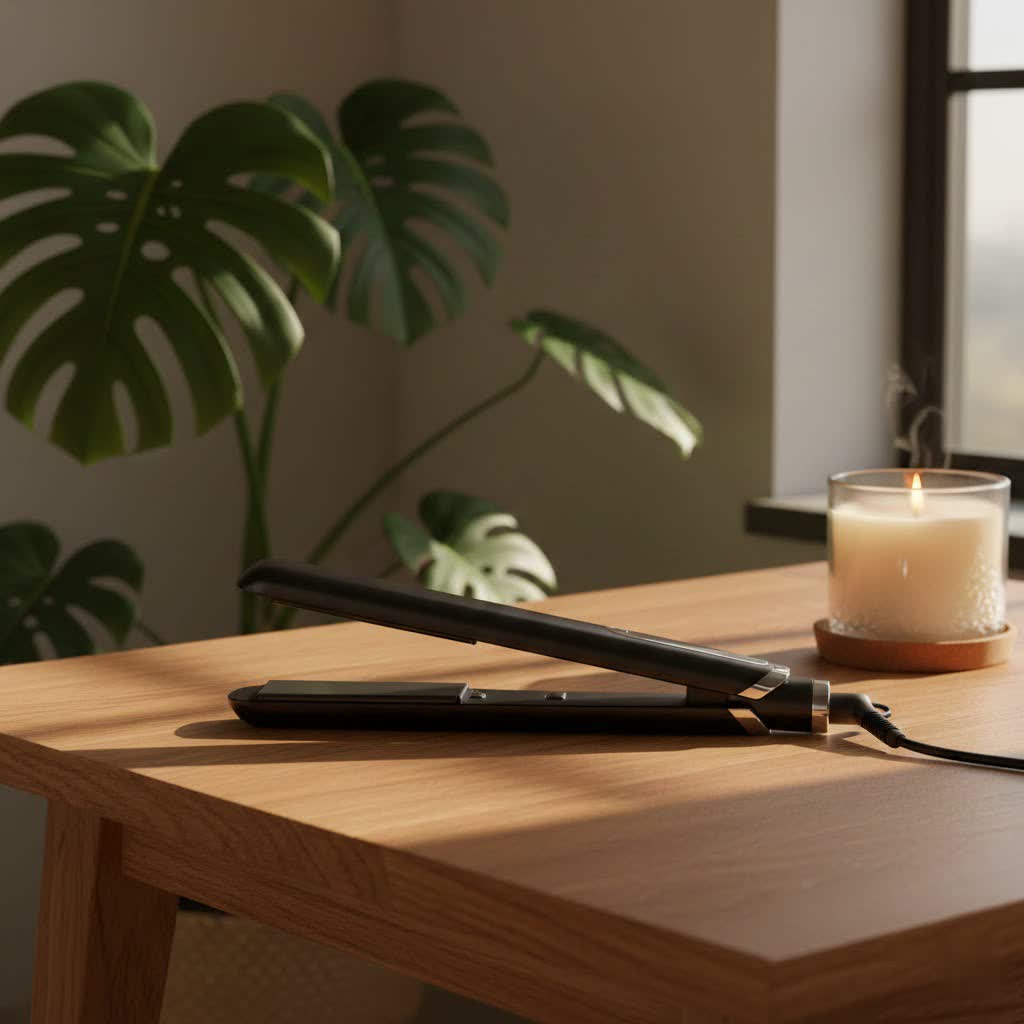
Chemical Hair Straightening: Overview and Evolution
The quest for straight hair has driven significant innovation in the beauty industry. Historically, methods ranged from rudimentary heat applications to increasingly sophisticated chemical processes. Today, chemical hair straightening refers to treatments that permanently or semi-permanently alter the hair’s natural texture by breaking down its internal protein bonds. These treatments restructure the hair shaft, allowing it to be reformed into a straight configuration.
This process began with harsh lye-based relaxers and has evolved to include a variety of techniques like Japanese thermal straightening and keratin treatments, each with its unique chemical composition and application method. The goal remains consistent: to provide long-lasting smoothness and reduce daily styling effort.
Understanding Different Types of Chemical Hair Straightening Treatments
The world of chemical hair straightening offers several distinct methods, each designed for specific hair types and desired outcomes. Knowing the differences is key to making an informed choice for your hair.
Lye and No-Lye Relaxers (Hydroxide-based)
Relaxers are among the oldest and most potent forms of chemical hair straightening. They work by breaking the disulfide bonds within the hair’s keratin structure, rendering the hair permanently straight until new growth appears.
- Lye Relaxers: These primarily use sodium hydroxide (lye) as the active ingredient. They are highly effective for straightening very coarse, tightly curled hair due to their strong alkaline nature. While powerful, they are also known for being harsh, capable of causing scalp burns and significant hair damage if not applied correctly.
- No-Lye Relaxers: Formulated with alternative active ingredients like guanidine hydroxide, no-lye relaxers are generally considered milder, especially for sensitive scalps. However, they can leave calcium mineral residues on the hair shaft, potentially leading to dryness, brittleness, and a dull appearance over time.
|
Our Picks for the Best Hair Straightener in 2026
As an Amazon Associate I earn from qualifying purchases.
|
||
| Num | Product | Action |
|---|---|---|
| 1 | Hair Straightener Brush, TYMO Ring Hair Straightener Comb Straightening Brush for Women with 5 Temps 20s Fast Heating & Dual Voltage, Black |

|
| 2 | Remington Shine Therapy 2 inch Hair Straightener, Flat Iron Infused with Argan Oil & Keratin, Professional Ceramic Flat Iron for Less Frizz, Shiny & Smooth Hot Styling Tools |
|
| 3 | TYMO Flat Iron Hair Straightener Brush 2 in 1, 200M Ions Hair Straighteners for Women, Ceramic Dual Voltage Straightening Hot Comb for Anti-Frizz Straights, Waves, Curls, 3X Less Heat Damage, Black |
|
| 4 | Cordless Hair Curling Iron Brush Rechargeable Battery-Powered, 3-in-1 Portable Hot Straightener Curling Comb 3 Temperature Settings with LCD Display |
|
| 5 | TYMO Hair Straightener Brush - Upgraded Ionic Compact Straightening Brush for Women with Wave-Design Bristles, Fast, Smooth Styling, Lightweight Hot Comb & Travel Flat Iron, 1 Billion Ions, Black |
|
| 6 | Hair Straightener 1 Inch Flat Iron and Curler 2 in 1 Titanium Ceramic Ionic Dual Voltage Straightener with Heat-Resistant Silicone, for Less Frizz, Shinier & Smoother |
|
| 7 | Remington Shine Therapy 1 inch Hair Straightener Iron, Flat Iron Infused with Argan Oil & Keratin, Professional Ceramic Flat Iron for Less Frizz, Shines and Smooth, Styling Tools |
|
| 8 | Remington 1" Flat Iron, Hair Straightener with Anti-Static Technology, Rapid 30-Second Heat-Up, 60-Minute Auto Shut-Off, 30% Longer Ceramic Floating Plates, and Titanium-Ceramic Coating |
|
| 9 | Speedy Corded Precision Hair Straightener Brush, GET Sleek Hair Literally in Minutes, LED Screen Display, Up to 430°F, Remambers Your Favorite Temp., Styled with Curved Root for Your Scalp Comfort. |
|
| 10 | Hair Straightener Brush, TYMO Ring Hair Straightener Comb Straightening Brush for Women with 5 Temps 20s Fast Heating & Dual Voltage, Gold |
|
Both types of relaxers offer dramatic, long-lasting straightness but require careful professional application and meticulous aftercare to mitigate damage.
Japanese Thermal Straightening (Thiol-based/Thermal Reconditioning)
Often referred to as thermal reconditioning or an “acid perm,” Japanese thermal straightening combines chemical processing with heat. This method typically uses ammonium thioglycolate to break down the hair’s natural bonds. After the chemical is applied and processed, the hair is thoroughly rinsed, blow-dried, and then meticulously flat-ironed at high temperatures to realign the bonds into a straight form. A neutralizer is then applied to lock in the new shape.
Japanese thermal straightening delivers a pin-straight, sleek finish that can last up to six months. It’s particularly effective for naturally curly or wavy hair but requires a significant time commitment in the salon and is generally not recommended for severely damaged, bleached, or highly processed hair.
Keratin Treatments and Brazilian Blowouts (Formaldehyde-releasing)
Keratin treatments and Brazilian Blowouts are semi-permanent smoothing treatments designed to reduce frizz and create smoother, more manageable hair. Unlike relaxers or Japanese straightening, they don’t necessarily aim for completely straight hair, though they do significantly reduce curl.
These treatments typically involve applying a liquid solution containing keratin, often mixed with formaldehyde or formaldehyde-releasing chemicals (such as methylene glycol or glyoxylic acid), to the hair. The solution is then sealed into the hair with a flat iron at high temperatures. The heat activates the chemicals, which coat the hair shaft, temporarily bonding to the hair’s natural keratin and creating a smoother surface.
Results can last between three to five months for keratin treatments and up to 12 weeks for Brazilian Blowouts. A significant concern with these treatments is the use of formaldehyde, a known carcinogen, even in products marketed as “formaldehyde-free.” When heated, many of these “alternatives” can still release formaldehyde gas. The FDA has even warned against many of these products and has plans to ban formaldehyde-containing hair smoothing products.
Sulfite-based and Nanoplastics
- Sulfite-based Straighteners: These use chemicals like sulfites and bisulfites to break the hair’s disulfide bonds. They react more slowly and are less irritating to the skin compared to ammonium thioglycolate, making them common in some at-home products. However, the results are typically less permanent and don’t last as long.
- Nanoplastics: Representing a newer generation of smoothing treatments, nanoplastics often utilize a specialized formula containing keratin, amino acids, and other nourishing components. These “nano” molecules penetrate deeply into the hair shaft when heated. They are generally considered milder than traditional keratin treatments and are often truly formaldehyde-free, offering smoothing effects that can last up to six months.
Benefits and Risks: Weighing Your Options
The decision to chemically straighten your hair involves a careful consideration of both the aesthetic advantages and the potential drawbacks.
The Allure of Straight, Smooth Hair (Benefits)
The primary appeal of chemical hair straightening lies in its ability to deliver consistent, long-lasting results. Imagine waking up to effortlessly smooth hair, significantly reducing the time spent on daily styling. For many, this translates to reduced frizz, enhanced manageability, and a polished appearance that is difficult to achieve with traditional styling methods alone. Depending on the chosen method, the effects can last anywhere from three to twelve months, offering a considerable reprieve from the daily battle against natural texture.
Potential Dangers and Side Effects (Risks)
While the benefits are tempting, the risks associated with chemical hair straighteners are substantial and cannot be overlooked.
- Hair Damage: Chemical processes, by their very nature, alter the hair’s structure. This can lead to various forms of damage, including breakage, split ends, excessive dryness, and loss of hair’s natural elasticity. Over time, hair may become brittle, dull, and lose its natural volume and texture.
- Scalp Irritation and Burns: The powerful chemicals in relaxers and other straighteners can cause severe scalp irritation, redness, burning sensations, and even chemical burns if left on too long or applied incorrectly. This can also lead to flaking and long-term scalp sensitivity.
- Health Concerns: One of the most serious risks, particularly with keratin treatments and Brazilian Blowouts, is exposure to formaldehyde. This colorless gas, even if not listed directly, can be released from formaldehyde-releasing chemicals when heated. Formaldehyde exposure has been linked to respiratory issues (eye, nose, throat irritation), skin allergies, and, more alarmingly, an increased risk of certain cancers, including uterine, ovarian, breast, leukemia, and nasal cancers. Multiple studies have highlighted these dangers, and lawsuits have been filed against companies selling these products.
- Irreversible Nature and Regrowth Issues: Most chemical straightening methods permanently alter the treated hair. Your natural curls or waves will not return to the processed strands, meaning you will have a clear line of demarcation as new, untreated hair grows in. This necessitates regular touch-ups, which can lead to overlapping treatments and increased hair damage.
- Uneven Results: Without precise application by a skilled professional, chemical straightening can result in uneven textures or bands of breakage where new growth meets previously treated hair.
> “While the promise of perfectly straight hair is appealing, it’s crucial to understand that chemically altering your hair can have irreversible consequences on its health and, in some cases, your overall well-being. Always prioritize safety and professional guidance.” – Dr. Anya Sharma, Dermatologist specializing in hair and scalp health
Choosing the Right Chemical Hair Straightener for Your Hair Type
Selecting the appropriate chemical hair straightening method is a critical decision that should be tailored to your individual hair type, lifestyle, and health considerations.
Assessing Your Hair’s Needs
Before considering any treatment, honestly assess your hair:
- Hair Thickness and Texture: Is your hair fine, medium, or coarse? Is it wavy, curly, or coily? This will determine the strength of the chemical treatment required. For instance, very coarse, tightly coiled hair might respond best to relaxers, while wavy or loosely curled hair might benefit from Japanese thermal straightening or keratin treatments.
- Hair Health: Is your hair virgin, or has it been previously color-treated, bleached, or otherwise chemically processed? Damaged or compromised hair is far more susceptible to further damage from strong chemical straighteners.
- Scalp Sensitivity: Do you have a history of sensitive scalp, eczema, or allergic reactions? Certain chemicals can exacerbate these conditions.
Key Ingredients and Their Impact
Understanding the active ingredients is paramount:
- Lye (Sodium Hydroxide) and Thioglycolates (Ammonium Thioglycolate): These are powerful chemicals that permanently break and restructure hair bonds. They offer the most dramatic and lasting straightness but carry higher risks of damage and scalp irritation.
- Formaldehyde and Formaldehyde-Releasing Chemicals (e.g., Glyoxylic Acid, Methylene Glycol): Predominantly found in keratin treatments and Brazilian Blowouts, these chemicals are activated by heat to create a smoother, frizz-free appearance. As previously noted, the health risks associated with formaldehyde exposure are significant, even with products claiming to be “formaldehyde-free.”
- “Formaldehyde-Free” Alternatives: While some brands genuinely offer formaldehyde-free options like nanoplastics with natural proteins and amino acids, always scrutinize ingredient lists. Look for reputable brands and confirm that the product does not release formaldehyde when heated.
Professional vs. At-Home Treatments
While at-home chemical straightening kits are available, they come with substantial risks. Professional application is almost always recommended for chemical hair straighteners.
- Professional Application: Experienced stylists understand hair types, product chemistry, and application techniques to minimize damage. They can assess your hair’s condition, perform strand tests, and ensure even product distribution.
- Risks of DIY Kits: Misapplication, incorrect processing times, and lack of immediate corrective measures can lead to severe hair breakage, chemical burns, and uneven results. It’s often difficult for individuals to apply these powerful chemicals safely and effectively on their own hair.
What to Look for in a Salon and Stylist
When choosing to have a chemical hair straightening treatment, the salon and stylist are as important as the product itself.
- Experience and Reputation: Seek out stylists with extensive experience specifically in chemical straightening. Look for positive reviews and recommendations.
- Consultation and Patch Test: A reputable stylist will always conduct a thorough consultation, examine your hair and scalp, discuss your hair history, and perform a patch test to check for allergic reactions before proceeding with the full treatment.
- Transparency: The stylist should be transparent about the product used, its ingredients, and the potential risks and aftercare requirements.
Safe Application and Aftercare for Chemically Straightened Hair
Ensuring the longevity and health of your chemically straightened hair requires strict adherence to proper application techniques (especially for professionals) and a diligent aftercare routine.
Before the Treatment
For those considering a salon treatment, preparing your hair can significantly impact the outcome. Avoid harsh chemical services like coloring or bleaching immediately before straightening. Most importantly, always perform a patch test 48 hours prior to the full application to check for any allergic reactions to the chemicals. Ensure your scalp is healthy and free of cuts, abrasions, or irritation.
During the Treatment (General Principles)
A professional stylist will meticulously follow a multi-step process: applying the chemical solution, allowing it to process for a precise amount of time based on your hair type, thorough rinsing, and then, depending on the method, using heat to seal the straightness, followed by a neutralizer. Precision is key to avoiding over-processing and damage.
Essential Aftercare Routine
The period immediately following and the ongoing care for chemically straightened hair are crucial for maintaining its health and extending the results.
- Waiting Period Before Washing: It is paramount to avoid washing your hair for at least 48 to 72 hours after the treatment. This allows the chemicals to fully set and the hair to stabilize in its new straight form.
- Sulfate-Free Products: Switch to shampoos and conditioners specifically formulated for chemically treated hair. These are typically sulfate-free and pH-balanced, which helps to prevent stripping away the treatment and natural oils, thus preserving moisture and preventing further damage.
- Deep Conditioning: Chemically straightened hair often loses internal moisture and elasticity. Incorporate a deep conditioning mask into your weekly routine. Look for products enriched with ingredients like keratin, silk proteins, shea butter, argan oil, marine collagen, or hyaluronic acid to restore hydration, shine, and strength.
- Avoiding Heat: While your hair will be easier to style, minimize the use of heat styling tools like flat irons and curling irons. If heat styling is necessary, always apply a high-quality heat protectant spray and use the lowest effective temperature setting.
- Protecting Hair While You Sleep: Friction from cotton pillowcases can rough up the hair cuticle and lead to frizz and breakage. Opt for silk or satin pillowcases, or loosely wrap your hair in a silk scarf before bed. Avoid tight hairstyles that can cause kinks or stress on the hair shaft.
- Avoid Harsh Chemicals: Steer clear of chlorinated water (e.g., swimming pools), as chlorine can severely damage chemically treated hair. Also, avoid hair products containing harsh alcohols, which can dry out and weaken the hair.
- Regular Trims: Schedule regular trims every 6-8 weeks to remove split ends and maintain healthy hair growth.
- Avoiding Overlapping Treatments: When new growth appears, ensure that any touch-up treatments are applied only to the new growth, not to the previously straightened hair, to prevent over-processing and damage.
- Delay Other Chemical Services: Wait at least 2-3 weeks, or even longer, before coloring, bleaching, or highlighting your hair after a chemical straightening treatment. Your hair needs time to recover its strength before additional chemical exposure. If you do color, choose ammonia-free or semi-permanent dyes and consider professional application.
Common Mistakes to Avoid with Chemical Hair Straighteners
Even with the best intentions, several pitfalls can compromise the results and health of chemically straightened hair.
- Using Too High Heat or Over-Processing: Leaving the chemical solution on for too long or using excessively high temperatures during thermal processes can severely damage the hair, leading to breakage, extreme dryness, and a “fried” appearance.
- Applying to Wet or Damaged Hair: Chemical straighteners should generally be applied to dry or slightly damp hair, depending on the specific product instructions. Applying them to overly wet hair can dilute the product, while applying to already damaged hair can worsen its condition.
- Ignoring Patch Tests: Skipping the crucial patch test before a chemical treatment is a major oversight that can result in severe allergic reactions, scalp burns, and discomfort.
- Skipping Aftercare or Using Incompatible Products: Neglecting the prescribed aftercare routine, especially using shampoos with sulfates or products with harsh chemicals, can quickly undo the treatment and further damage the hair.
- Overlapping Treatments on Previously Straightened Hair: Applying chemical straightener to hair that has already been treated is a common mistake that leads to extreme damage, breakage, and often a visible line where the hair has been processed twice. Always target only the new growth.
- Straightening Too Frequently: Repeated chemical treatments, especially without adequate recovery time and proper aftercare, can lead to chronic hair damage and thinning.
Conclusion
Chemical hair straighteners offer the appealing promise of smooth, manageable, and effortlessly straight hair. From powerful lye relaxers to sophisticated Japanese thermal reconditioning and semi-permanent keratin treatments, various methods exist to transform your hair’s natural texture. However, the decision to undergo such a treatment is significant, carrying both the benefit of reduced styling time and the serious risks of hair damage, scalp irritation, and potential health concerns, particularly concerning formaldehyde exposure.
Understanding your hair type, thoroughly researching the treatment and its ingredients, and, ideally, seeking the expertise of a reputable professional are non-negotiable steps. Furthermore, a rigorous aftercare routine focused on hydration, protection, and gentle handling is essential to maintain the health and beauty of your chemically straightened hair. By being well-informed and diligent, you can navigate the world of chemical hair straighteners more safely and effectively.
Are the benefits of chemical hair straighteners truly worth the risks for your hair’s health and your overall well-being?
Frequently Asked Questions
Is chemical hair straightening permanent?
Yes, most chemical hair straightening methods, such as relaxers and Japanese thermal straightening, permanently alter the hair’s structure. The treated hair will remain straight until new hair grows in, creating a line between your natural texture and the chemically processed hair.
Are formaldehyde-free straighteners truly safe?
While “formaldehyde-free” products aim to reduce risk, some still contain formaldehyde-releasing chemicals that emit formaldehyde gas when heated. Always read ingredient labels carefully and research reputable brands that offer truly safe alternatives, like some nanoplastics treatments, and be aware of FDA warnings.
How long do chemical hair straighteners last?
The duration varies by method. Relaxers and Japanese thermal straightening can last until new hair grows out (typically 4-6 months, sometimes up to a year). Keratin treatments and Brazilian Blowouts are semi-permanent, usually lasting 3-5 months or up to 12 weeks, respectively, with proper aftercare.
Can I color my hair after a chemical straightener?
It is strongly recommended to wait at least 2-3 weeks, or even longer, before applying any hair color after a chemical straightening treatment. Your hair needs time to recover its strength. When you do color, opt for ammonia-free or semi-permanent dyes and consider having a professional apply it.
What ingredients should I avoid in aftercare products?
After a chemical straightening treatment, you should avoid products containing sulfates, harsh alcohols, and heavy silicones. Sulfates can strip the treatment, while harsh alcohols can dry out and damage the hair. Look for sulfate-free, pH-balanced, and moisturizing products.
What are the signs of hair damage from chemical straighteners?
Signs of damage include excessive breakage, split ends, extreme dryness, frizz, dullness, and a noticeable change in texture beyond the intended straightness (e.g., limpness, elasticity loss). Scalp irritation, redness, or burns are also serious indicators of damage.
